
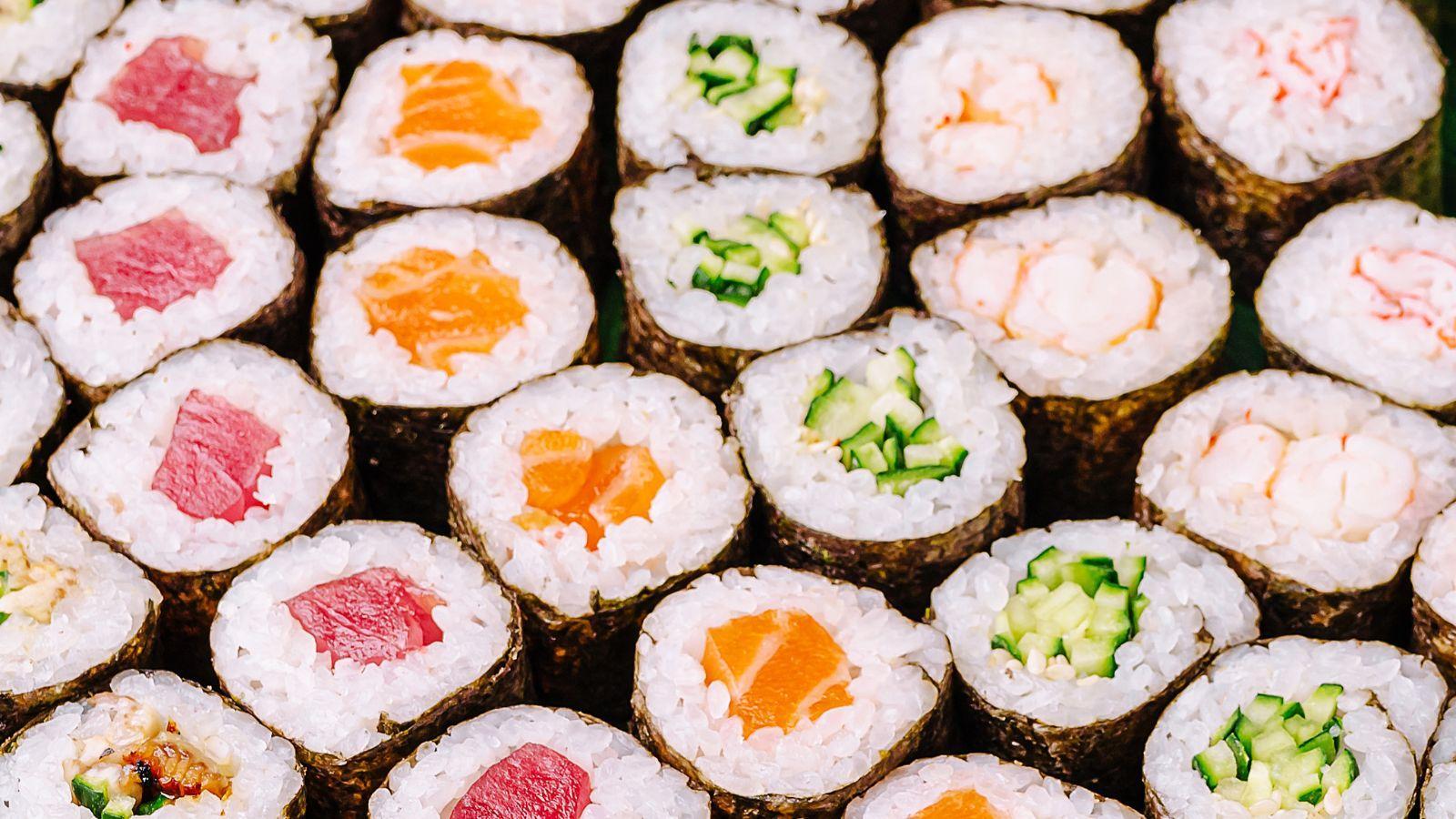
Maki consistency depends on more than rolling technique alone. The texture of the rice affects how well each roll holds its shape, how evenly ingredients sit inside the cut pieces, and whether the finished product looks clean and uniform on the plate. For sushi restaurants, getting rice texture right is one of the most practical ways to improve repeatability during service.
Rice Texture Sets the Base for Uniform Rolls
Rice acts as the structural base of maki, so its texture directly influences whether rolls stay tight and balanced from end to end. When the rice is too dry, it tends to separate rather than bind, which can leave gaps inside the roll and make it harder to maintain an even cylindrical shape. When it is too wet or sticky, it compresses too heavily and can push fillings out of place during rolling.
This is why many kitchens pay close attention to both preparation and handling methods, including how seasoned rice is mixed, cooled, and portioned before service. In operations using Sushi Machine commercial sushi making equipment and supplies, consistent rice handling becomes especially important because equipment performs best when the rice texture is stable and predictable from batch to batch.
Moisture Affects Shape Retention
Moisture level is one of the clearest factors behind maki consistency. Rice with balanced moisture holds together without becoming heavy, allowing the roll to keep its shape during rolling, slicing, and plating. It should be moist enough to bind when spread over nori, but not so wet that it smears or loses structure under pressure.
Under-hydrated rice often causes the outer layer to crack or pull apart, which makes rolls more likely to loosen or open. Overly moist rice causes the opposite issue. It can make the roll feel dense and pasty, and it often creates uneven pressure during shaping. That shows up in cut pieces that flatten slightly, lose symmetry, or look untidy around the edges. In a restaurant setting, those small differences can affect both presentation and portion control.
Stickiness Controls Ingredient Stability
The right level of stickiness helps rice hold fillings in place without making the roll difficult to handle. In maki, ingredients need to stay centred so each piece looks balanced and delivers the intended ratio of rice, filling, and nori. Rice that lacks cohesion may allow fillings to shift, which can make some pieces look sparse while others seem overfilled.
Rice that is too sticky can be just as disruptive. It may cling too aggressively to hands, mats, or equipment surfaces, which interferes with smooth shaping and can create compressed sections in the roll. Rather than forming a neat layer around the filling, the rice may drag or bunch. Good maki depends on rice that binds cleanly while still remaining workable during fast preparation.
Grain Definition Influences Cutting Quality
Texture also matters after the roll is made. Well-prepared rice should hold together while still showing clear grain definition, rather than becoming a soft mass. That balance is closely tied to starch gelatinisation, because the rice needs enough structural change during cooking to bind properly without losing its distinct grain character. It also makes it easier to slice rolls neatly, with less tearing or dragging across the cut surface.
Poor grain definition often leads to ragged edges, squashed centres, or pieces that do not match one another in size and appearance. When the rice becomes too soft, the knife may pull instead of cutting cleanly, which disturbs both the rice and the filling. For sushi restaurants producing maki at volume, this can slow down service and reduce visual consistency across orders.
Temperature Changes the Way Rice Performs
Rice texture is closely linked to temperature throughout prep and service. Freshly cooked rice that is too hot can feel overly soft and difficult to handle, while rice that has cooled too far may become firm and less cooperative during rolling. The best working range sits between those extremes, when the rice remains pliable without turning loose or dry.
Temperature also affects moisture distribution and surface tackiness. Rice held poorly may dry on the surface while staying heavy underneath, creating an uneven texture that is difficult to manage consistently. Even if the rice was cooked correctly, poor holding conditions can change the way it performs over time. That is why restaurants often see better maki quality when rice preparation, resting, and holding are managed as carefully as the rolling itself.
Consistency Starts Before the Roll
Reliable maki begins before the rice ever touches the nori. Texture determines how well the roll forms, how stable the fillings remain, and how cleanly each piece can be cut and presented. Moisture, stickiness, grain definition, and temperature all shape the final result in ways that are visible during service and on the plate.
When sushi restaurants treat rice texture as a core production factor rather than a background detail, maki consistency becomes much easier to maintain. Technique still matters, but it works best when the rice is prepared to support a uniform result from the first roll to the last.
