
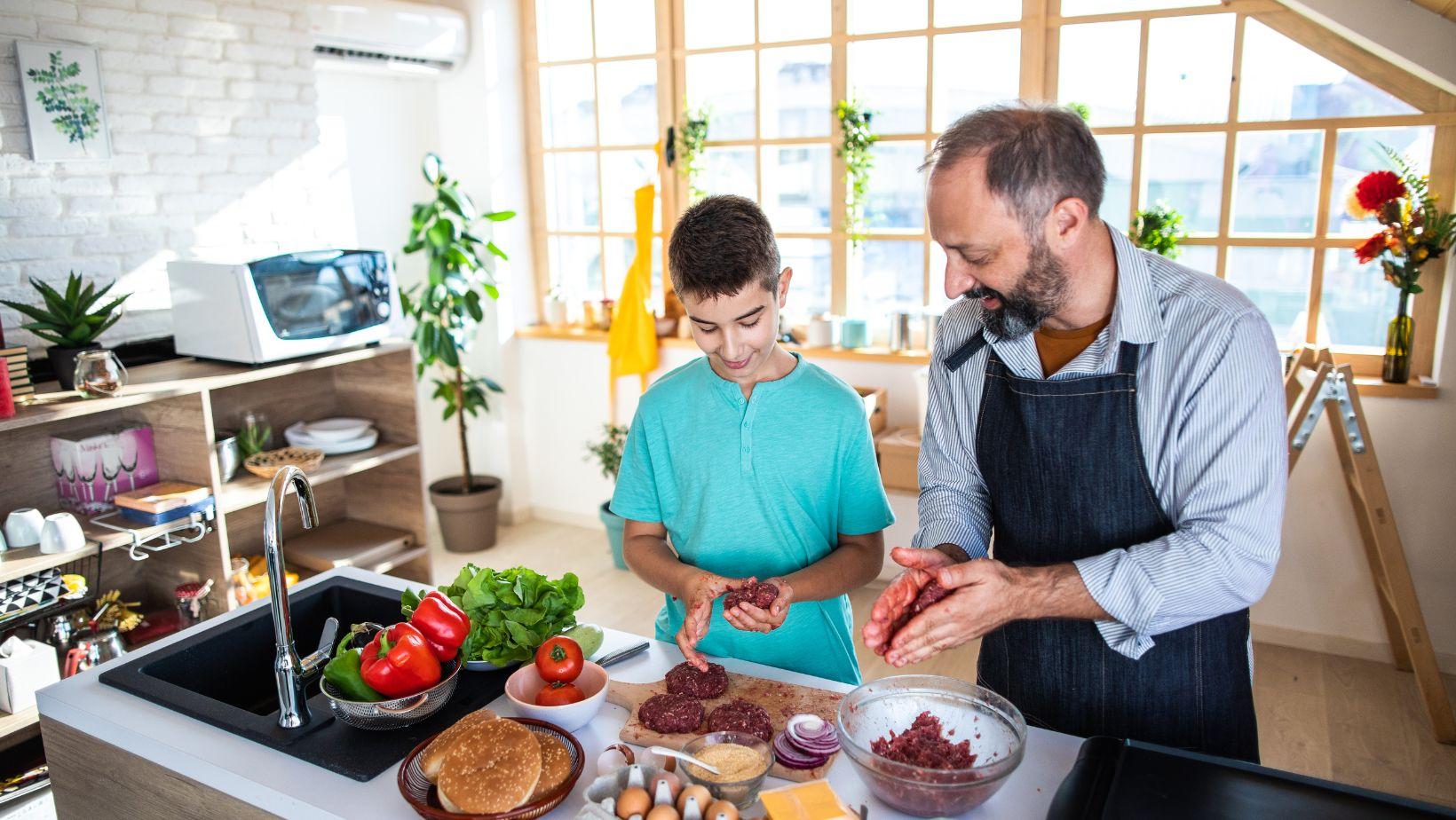
Every great meal in Calgary starts with mise en place. You know the drill: chopping the onions, measuring the spices, and getting the pans ready. But even with the best ingredients from the Crossroads Market, things can go sideways fast. Whether you are a professional line cook or a home enthusiast, completing a First Aid course Calgary is the most important "prep" you can do before the stove ever gets hot.
Why Is the Kitchen Such a High-Stakes Environment?
We often view the kitchen as a place of creativity, but it is actually one of the most hazardous rooms in any building. Think about it. You are working with razor-sharp Japanese steel, open gas flames, and liquids heated to hundreds of degrees. In a fast-paced restaurant or a busy family kitchen, a single distraction can lead to a serious emergency.
Calgary’s food scene has exploded lately, with world-class spots popping up from Stephen Avenue to the Beltline. This growth means more people are working in high-pressure environments where the risk of injury is a daily reality. Knowing how to react when a knife slips or a pan catches fire isn't just helpful—it’s vital.
How Do You Handle Severe Culinary Burns?
Burns are the most common badge of honor in the culinary world, but some are more serious than a simple "ouch." If a pot of boiling pasta water spills or hot grease splashes, you don’t have time to Google what to do. Most people reach for butter or ice, but did you know those can actually damage the skin further?
In a professional training environment, you learn the actual science of burn care. You need to cool the burn with room-temperature water for at least 20 minutes. This stops the heat from continuing to "cook" your tissue. If you're dealing with a grease fire, the training helps you manage the fire safely without making the injury worse. Staying calm while a pan is sporting a foot-tall flame is a skill that only comes with practice.
What Is the Right Way to Treat Deep Knife Cuts?
Even the most expensive knife can slip if your focus breaks for a second. Deep lacerations are scary because of the amount of blood involved. Many cooks make the mistake of just wrapping a dirty kitchen towel around the wound and trying to keep working.
Taking a course teaches you about the "pressure and elevation" method. You learn how to identify when a cut needs more than just a bandage. If you hit an artery, you need to know how to apply life-saving pressure immediately.
Why Is Choking Training Crucial for Front-of-House?
Kitchen safety isn't just for the people behind the line. In the dining room, choking is a very real risk. If a guest at your table starts struggling with a piece of steak, do you know the current standards for the Heimlich maneuver?
Professional first aid training in Calgary updated its protocols recently to include specific sequences of back blows and abdominal thrusts. Being able to step in and clear an airway before a person loses consciousness is the difference between a scary story and a tragedy. It gives you the confidence to lead in a room full of panicked bystanders.
Is Your Kitchen Truly Prepared for an Emergency?
Take a look around your kitchen. You probably have a fire extinguisher and maybe a box of Band-Aids in a junk drawer. But is that enough? True safety isn't about the tools you own; it's about the knowledge you carry.
Certification gives you a mental checklist that triggers automatically when things go wrong. It stops the "freeze" response that happens during an accident. Whether you’re cooking for a crowd at a Stampede breakfast or just making dinner for the kids, having these skills makes you a better, more prepared cook.
If you are looking for first aid training near Capitol Hill, the University of Calgary, or other areas close to our facility, then you may reach out to Coast2Coast First Aid/CPR – Calgary in that area. For more info and articles like this visit: https://www.c2cfirstaidaquatics.com/
Frequently Asked Questions
1. Is a kitchen-specific first aid course different from a standard one? Standard First Aid Level C covers all the major injuries you’d see in a kitchen, including burns, cuts, and choking. It is the most comprehensive training for anyone in the food industry.
2. Should I put ice on a grease burn? No! Ice can cause frostbite on already damaged skin. Use cool or room-temperature running water. It’s a common myth that training helps debunk.
3. How long does a First Aid certificate last in Alberta? Your certification is usually valid for three years. However, many professional chefs choose to do a refresher every year to keep their skills sharp.
4. Can I take the theory part of the course online? Yes. Blended learning allows you to complete the "book" part of the course online at your own pace. You then spend just one day in the classroom for the hands-on skills.
5. Do I need to know CPR to work in a restaurant? While not always legally required for every single staff member, OHS laws require a certain number of trained first aiders to be on every shift. It’s a huge asset on any culinary resume.
