
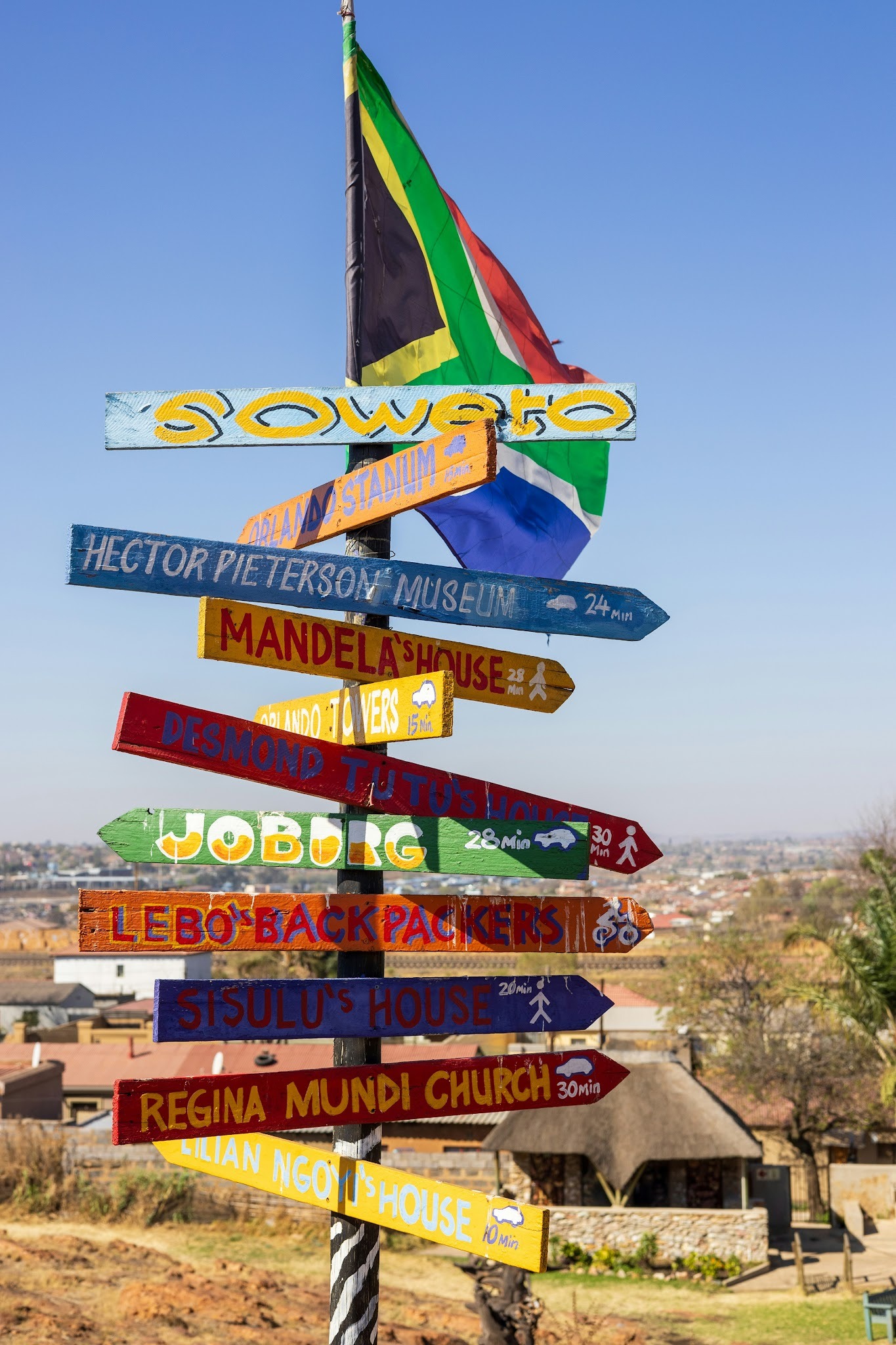
The postcards only tell you where South Africa is. The real country appears around a fire, during a rugby match and in the ordinary evenings tourists usually miss completely.
South Africa is easy to reduce to postcards: Table Mountain and safari trucks, with the Springboks flattening another scrum somewhere nearby. The better story starts after the photos are taken, when the fire is lit, the boerewors goes on and an ordinary evening begins to tell you far more about the country. Spend a little time beyond the main attractions and you begin to notice the local habits that give the place its character, from match-day gatherings to the entertainment people choose once everyone gets home.
Home Entertainment Beyond the Tourist Trail
South African evenings do not stop when the restaurant bill arrives or the stadium lights go out. Home entertainment has its own local flavor, and the products built for that audience reflect the way people actually spend their spare time.
At Jackpotcity, the lobby separates spin games from live tables, with Aviator and other crash titles given their own sections. Quick games sit apart from the longer formats, which makes it easier to choose something that fits the time available. New customers can currently claim a 100% first-deposit match worth up to R4,000, provided the offer is taken within seven days of registration. The minimum qualifying deposit is R50. Those details make the platform distinctly South African, right down to the rand-based offer and the payment routes provided for local customers.
Match Day Starts Long Before Kickoff
Springbok rugby has become one of the clearest ways South Africa presents itself to the world, and the record backs up the swagger. The national side became the first country to win four men’s Rugby World Cups after beating New Zealand 12-11 in the 2023 final. That victory followed the 2019 title, making South Africa only the second nation to win consecutive tournaments.
The match itself is only part of the day. Friends arrive early, somebody argues about the team selection and the first ‘braai’ fire is usually lit before the players have finished warming up. Even people who cannot explain every law of the scrum know when the Springboks have the upper hand. Rugby gives everyone a reason to gather, and the food around the match is every bit as important as the score.
Never Call It a Barbecue
Visitors learn one rule quickly: never call it a barbecue; it is a ‘braai’. The word covers the cooking and the social event around it, which is why a good one can run for most of the day. Boerewors goes onto the grill, people keep talking and nobody is in a hurry to clear the plates.
A South African braai can last for hours because conversation is part of the occasion rather than something squeezed in between courses. That relaxed pace suits rugby perfectly. The match gives the gathering a clock, but the day belongs to the people around the fire. Visitors expecting a quick meal may have to adjust; the coals decide when dinner is ready, and arguing with coals gets you nowhere.
City Evenings Carry on After the Meal
Urban South Africa has its own food language, and it changes from one city to the next. Durban’s bunny chow started as a practical meal, with curry packed into a hollowed loaf so it could be carried and eaten without cutlery. Johannesburg and Soweto tell another story through ‘shisa nyama’, where grilled meat belongs beside music and a busy social gathering.
Once the meal ends, the evening often moves home. Quick games suit shorter sessions, while live tables and Aviator offer a different pace. Local payment routes also keep the experience grounded in South African habits rather than treating every player the same.
Looking Past the Famous Attractions
The easiest way to miss a country is to race from landmark to landmark without noticing what happens in between. South Africa rewards slower attention because ordinary routines often explain more than the headline attractions. A market visit or match-day braai can tell you who gathers where, what people eat and how they spend their free time.
Travelling well means looking beyond tourist traps and paying attention to the places locals use every week. That does not mean pretending to be local after two days. It means keeping your eyes open, asking sensible questions and understanding that daily life carries its own kind of interest. The country becomes easier to read once you stop treating it as a checklist and leave enough room for an ordinary evening.
The Country Continues After Sightseeing Ends
South Africa has plenty of scenery worth crossing an ocean for, but the country does not pack itself away when the tour bus leaves. The fuller picture includes a Springbok match on television, followed by a braai running later than planned and the kind of home entertainment designed for local adults.
That is where travel becomes more useful. You still see the landmarks, but you also notice the ordinary choices people make around them. Food and sport reveal a country in motion, and an evening at home completes the picture without turning daily life into a performance for visitors. The postcard version may bring you through the door; the everyday version is the one you remember.
