
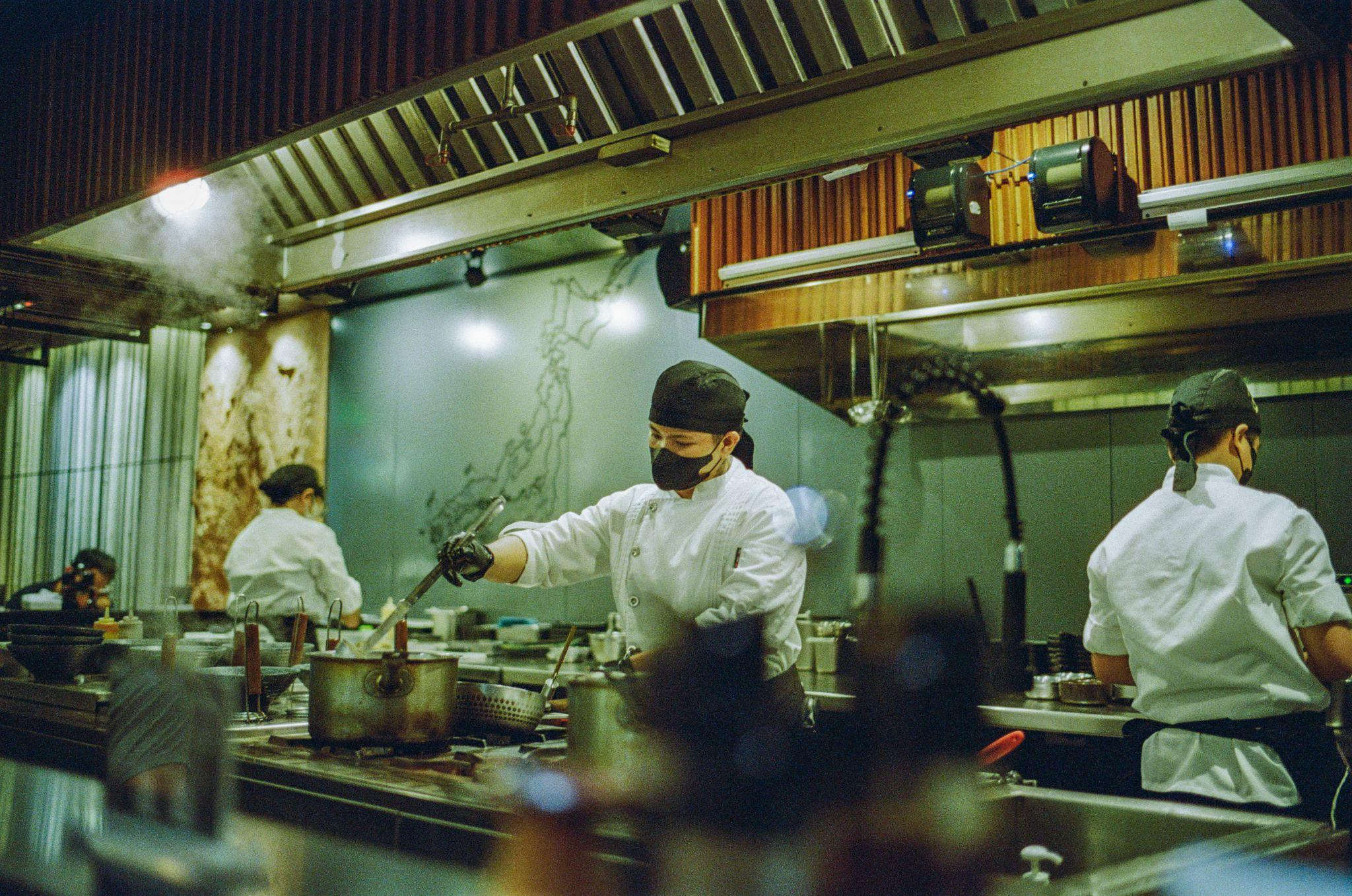
A commercial kitchen rarely feels calm during service. Orders stack up, timing tightens, and small delays can quickly affect everything that follows. In that kind of environment, what matters isn’t how the space looks on paper, but how well it holds up when every station is in use and every second counts.
Some kitchens seem to handle that pressure without breaking rhythm. Others struggle even when the team is experienced. The difference often comes down to how the space has been planned, long before the first service begins.
Flow That Supports the Pace of Service
Movement is constant in a working kitchen. Staff move between prep areas, cooking stations, and pass-throughs without much pause. If that movement isn’t supported by the layout, it creates friction almost immediately.
When pathways cross or stations are placed too close together, even simple tasks take longer. Staff end up adjusting their movements to avoid each other, which slows down the overall pace. Over time, that inefficiency becomes part of the workflow.
A well-planned kitchen reduces those interruptions. It allows each station to function without getting in the way of another. The result isn’t just speed, but consistency during busy periods.
Equipment Placement That Reflects Real Use
It’s easy to focus on what equipment is needed without thinking enough about where it should go. In practice, placement has just as much impact as the equipment itself.
Cooking lines need to be arranged in a way that supports the order of service. Prep areas should be positioned so that ingredients can move smoothly into cooking without unnecessary steps. Storage needs to be accessible without disrupting active stations.
When these elements are aligned, the kitchen starts to feel more intuitive. Staff don’t have to think about where to go next. The layout guides them naturally through the process.
Visibility and Communication
In a busy kitchen, communication often happens without words. A quick glance, a shift in position, or the timing of a movement can signal what’s happening across the space.
For that to work, visibility matters. If key areas are blocked or separated too much, it becomes harder to stay in sync. Miscommunication increases, and timing becomes less predictable.
Open sightlines help maintain awareness. They allow the team to adjust in real time, which is essential when orders change or unexpected delays occur.
Managing Heat, Noise, and Space
Pressure in a kitchen isn’t just about orders. It’s also physical. Heat builds up, noise levels rise, and space can feel tighter as more people move through it.
Good design takes these factors into account. Ventilation needs to handle the demands of continuous cooking. Equipment spacing needs to allow for safe movement without crowding. Noise can’t be eliminated, but it can be managed through layout and material choices.
When these elements are overlooked, the environment becomes harder to work in. Fatigue sets in faster, and small mistakes become more likely.
Planning for Real Service, Not Ideal Conditions
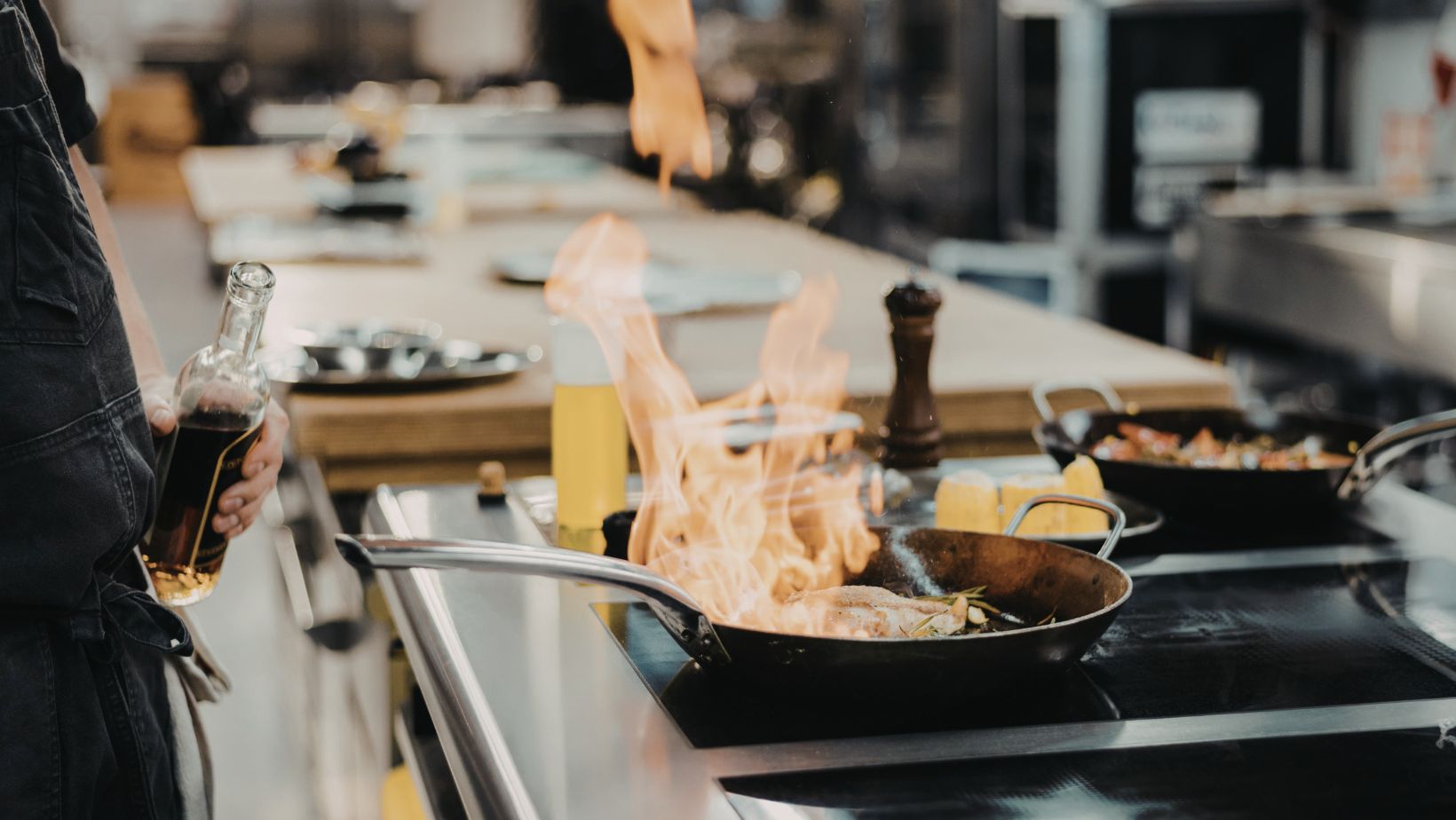
A common issue in kitchen design is planning for how things should work, rather than how they actually do. On paper, a layout might seem efficient. In reality, service rarely follows a perfect sequence.
Orders come in unevenly. Staff step in and out of roles. Equipment is used in ways that weren’t initially expected. A kitchen needs to handle those variations without breaking down.
Working with a Commercial Kitchen Fit Out Designer in Sydney often becomes part of that process, especially when the goal is to create a space that holds up under real service conditions rather than ideal ones.
Reducing Bottlenecks Before They Happen
Bottlenecks don’t always appear immediately. Sometimes they only become obvious during peak service, when multiple tasks converge in the same area.
A prep station might be too small for the volume required. A pass might not handle the number of dishes moving through at once. Access to storage might interrupt the flow of active stations.
These issues are difficult to fix once the kitchen is in use. Identifying them early, during the planning stage, makes a significant difference. It allows adjustments to be made before they become part of daily operations.
Consistency Over Time
A kitchen that works well on opening night doesn’t always maintain that standard. Wear and tear, menu changes, and shifts in workflow can all affect how the space performs over time.
Designing with that in mind helps maintain consistency. Allowing for flexibility, leaving room for adjustment, and avoiding overly rigid layouts can make the kitchen more adaptable.
That adaptability becomes important as the business evolves. What works for one menu or service style may need to change later. A kitchen that can handle that change without major disruption is more likely to remain efficient.
When the Layout Supports the Team
At its best, a commercial kitchen doesn’t draw attention to itself. It supports the team without getting in the way. Movement feels natural, communication flows, and the space holds up even during the busiest services.
That doesn’t happen by accident. It comes from decisions made early, often before the kitchen is even built. When those decisions are grounded in how kitchens actually operate, the result is a space that works under pressure rather than against it.
