
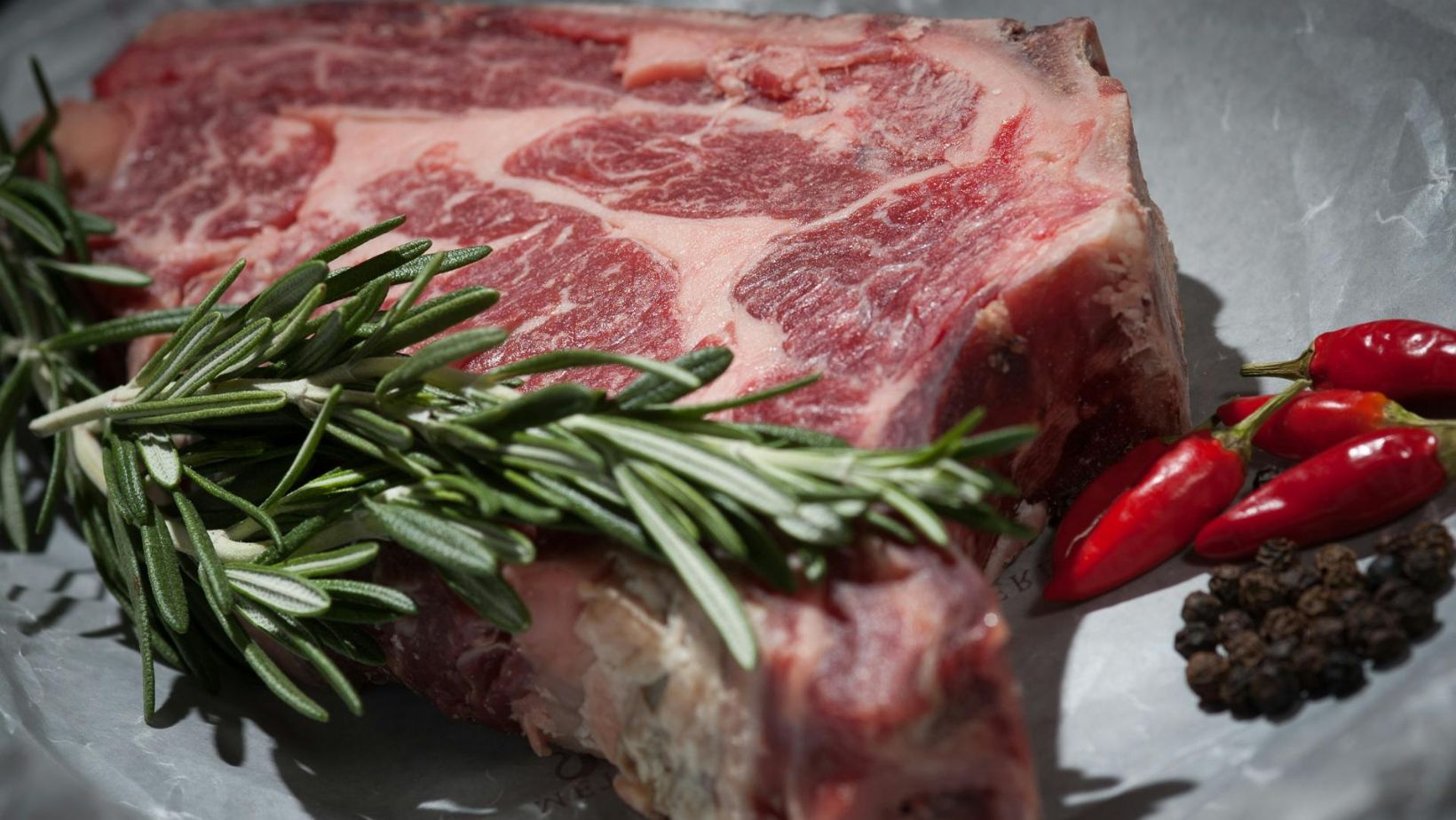
The difference between a memorable meal and a disappointing dinner often comes down to one thing: how well the meat is cooked. Whether you’re preparing a special occasion roast, weeknight meatballs, or a simple steak, getting it right requires knowledge of a few key techniques. The good news? You don’t need to be a professional chef to master meat cooking. With the right approach to preparation, cooking method, and timing, anyone can achieve restaurant-quality results at home.
1. Bone-In Standing Ribeye Roast with Herb Butter
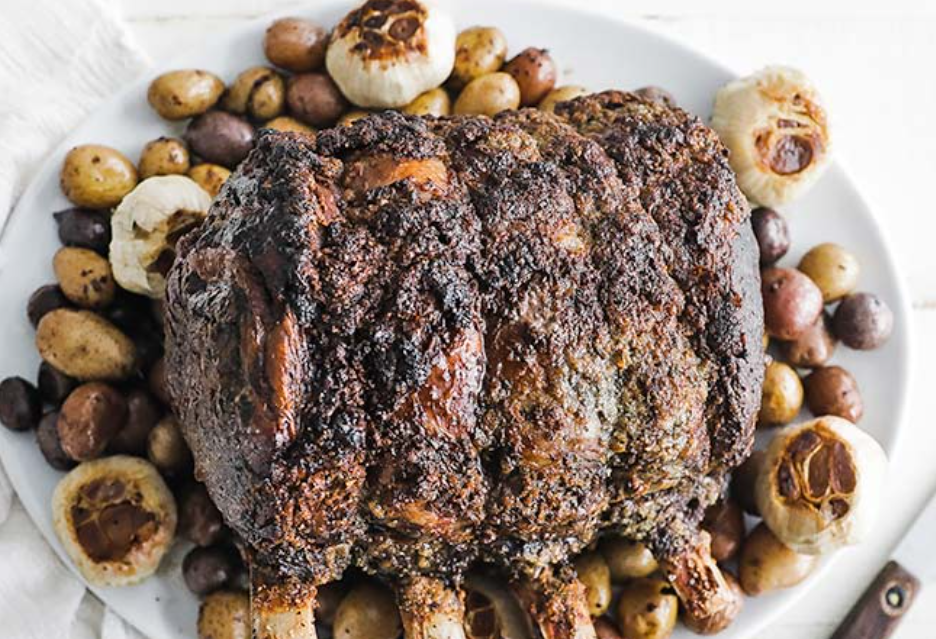
Source: Billy Parisi
A bone-in prime rib recipe makes for an impressive centerpiece for any dinner table, but its size and weight can intimidate home cooks. The secret to nailing it lies in a two-temperature approach combined with careful temperature monitoring.
Key tips for success:
- Start with flavor-building preparation: Create a compound herb butter using thyme, rosemary, garlic, shallots, olive oil, and butter blended into a paste. Spread this generously over the roast before cooking to infuse deep, complex flavors throughout.
- Use high heat first for a golden crust: Begin cooking at 450°F for 30 minutes to develop a beautiful caramelized exterior, then reduce the heat to 325°F and continue cooking for 80 to 90 minutes. This two-step method locks in flavor while ensuring the inside cooks evenly.
- Trust your thermometer, not the clock: Oven temperatures vary, so don’t rely solely on cooking time. Instead, pull the roast when it reaches an internal temperature of 110°F to 115°F at the center. This seemingly low temperature is intentional—the roast will continue to cook as it rests.
- Don’t skip the resting period: After removing the roast from the oven, let it rest for 15 to 20 minutes. During this time, the internal temperature will climb another 10°F to 15°F, bringing it to a perfect medium-rare or medium. Resting also allows the juices to redistribute, ensuring moist, tender slices.
2. Tender Meatballs
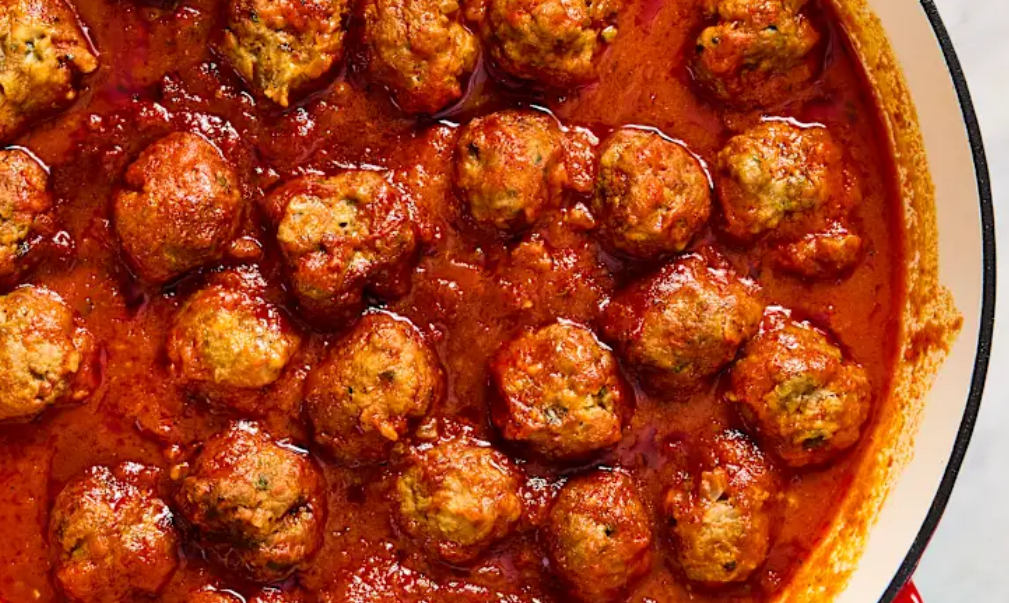
Source: The Kitchn
Meatballs seem simple, but the difference between rubbery, dense ones and tender, succulent ones comes down to technique and ingredient choice. The secret is preventing the meat from overworking during mixing.
Key tips for success:
- Choose the right meat and fat content: The fattier your ground meat, the more tender your meatballs will be. Ground pork combined with ground beef works beautifully, but leaner meats like chicken or turkey require extra caution during cooking to prevent toughness.
- Use a binder to add moisture: Soak fresh or dried breadcrumbs in milk until soggy, then mix this “panade” into your meat along with an egg. This binder adds moisture and prevents the meat proteins from shrinking and becoming tough during cooking.
- Handle the mixture gently: This is perhaps the most important step: mix the ingredients just until they’re combined, no more. Overworking the meat develops gluten and creates a dense, tough texture. Using your hands allows you to feel when everything is just combined and helps you avoid overdoing it.
3. Perfect Oven-Cooked Steak
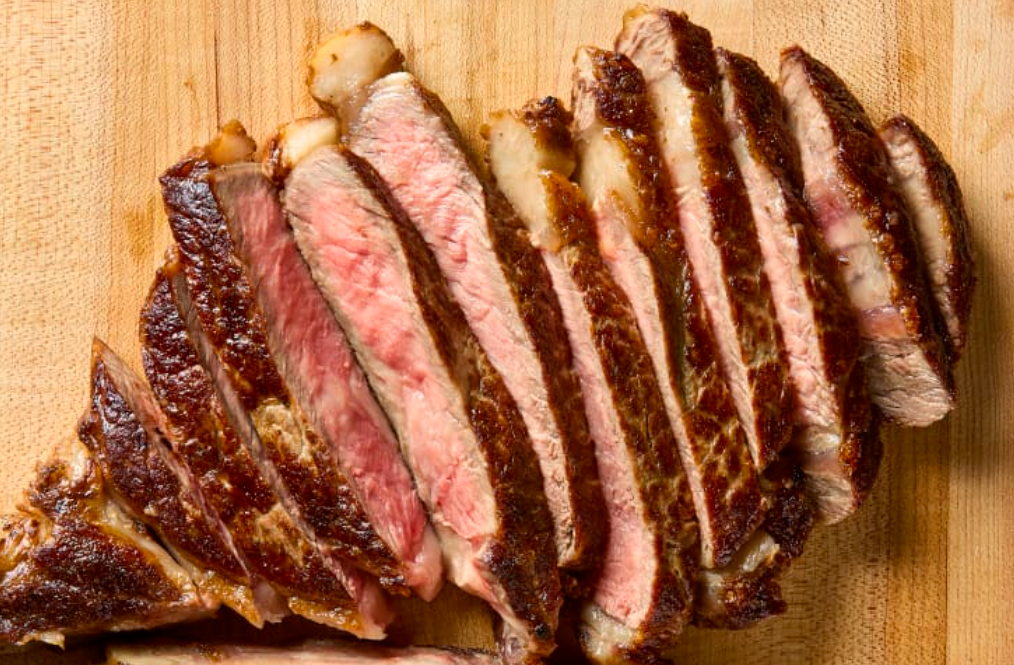
Source: The Kitchn
Cooking steak in the oven might seem unusual, but this method delivers evenly cooked meat with a beautiful crust—and it’s more forgiving than stovetop cooking alone.
Key tips for success:
- Start with quality meat: Buy the best steak you can afford from a butcher, selecting cuts that are at least 1 inch thick with good fat marbling throughout. Quality meat is the foundation of a great steak.
- Bring the meat to room temperature: After blotting your steak dry with paper towels, let it sit at room temperature for about 30 minutes. This ensures more even cooking from edge to center.
- Preheat your skillet aggressively: Place a cast-iron or stainless steel skillet under the broiler on high heat for 20 minutes before you begin cooking. An extremely hot pan is essential for achieving that flavorful, caramelized crust.
- Finish under the broiler: Transfer the skillet to the broiler and cook for 2 minutes, flip the steak, and cook for another 2 minutes. For a medium steak, add an additional 2 minutes of oven time. This gentle finish cooks the interior while the already-hot skillet maintains the crust.
Final Thoughts
Perfectly cooked meat doesn’t require fancy equipment or years of experience—it requires attention to detail and understanding the why behind each step. Whether you’re roasting an elegant ribeye, preparing homestyle meatballs, or broiling a simple steak, these fundamental techniques will guide you toward consistently delicious results. With practice, these methods will become second nature, and you’ll find yourself confidently cooking meat that rivals any restaurant meal.
