
Quick answer: South West England’s food heritage ranges from elegant clotted cream and saffron cake to the famously bizarre Stargazy pie, complete with fish heads poking through the crust. Most of it is charming and giftable. A few dishes are best enjoyed as stories rather than served to dinner guests.
South West England has never been short on culinary confidence. This is a region that looked at clotted cream, cider, saffron buns, fish pies and hand-held meat pastries and decided that subtlety could wait outside with the umbrella.
The food identity here was shaped by centuries of farming, fishing, seafaring, mining, cider orchards, dairy production and village feast days. The result is a larder full of character. Some dishes feel refined and indulgent. Others are so practical or so peculiar that they’ve earned legendary status. And a couple stare back at you from the plate.
This post takes a tour through the most distinctive heritage foods of the West Country, rating each one on a gentle weirdness scale. The goal is to celebrate the region’s food culture honestly, while working out which traditions make thoughtful gifts and which are better kept as lively dinner-table conversation.
A Gentle Weirdness Scale for South West Food
Before we dive in, here’s the system. Not every heritage food belongs in a premium gift. Some are better used as storytelling inspiration than as something you actually post to a relative.
|
Weirdness Level |
Meaning |
Gift Potential |
|
1/5 |
Familiar and easy to love |
Very giftable |
|
2/5 |
Slightly regional but approachable |
Giftable |
|
3/5 |
Distinctive and conversation-worthy |
Giftable with context |
|
4/5 |
Historic, unusual or divisive |
Better as a story |
|
5/5 |
Full folklore dinner-table chaos |
Probably not for a hamper |
A good luxury hamper should feel regional, generous and high-quality, not like a dare. The scale helps separate giftable heritage foods from dishes best left as historic curiosities.
Cornish Saffron Cake: The Golden Sweet Bread
Region: Cornwall. Weirdness rating: 1/5.
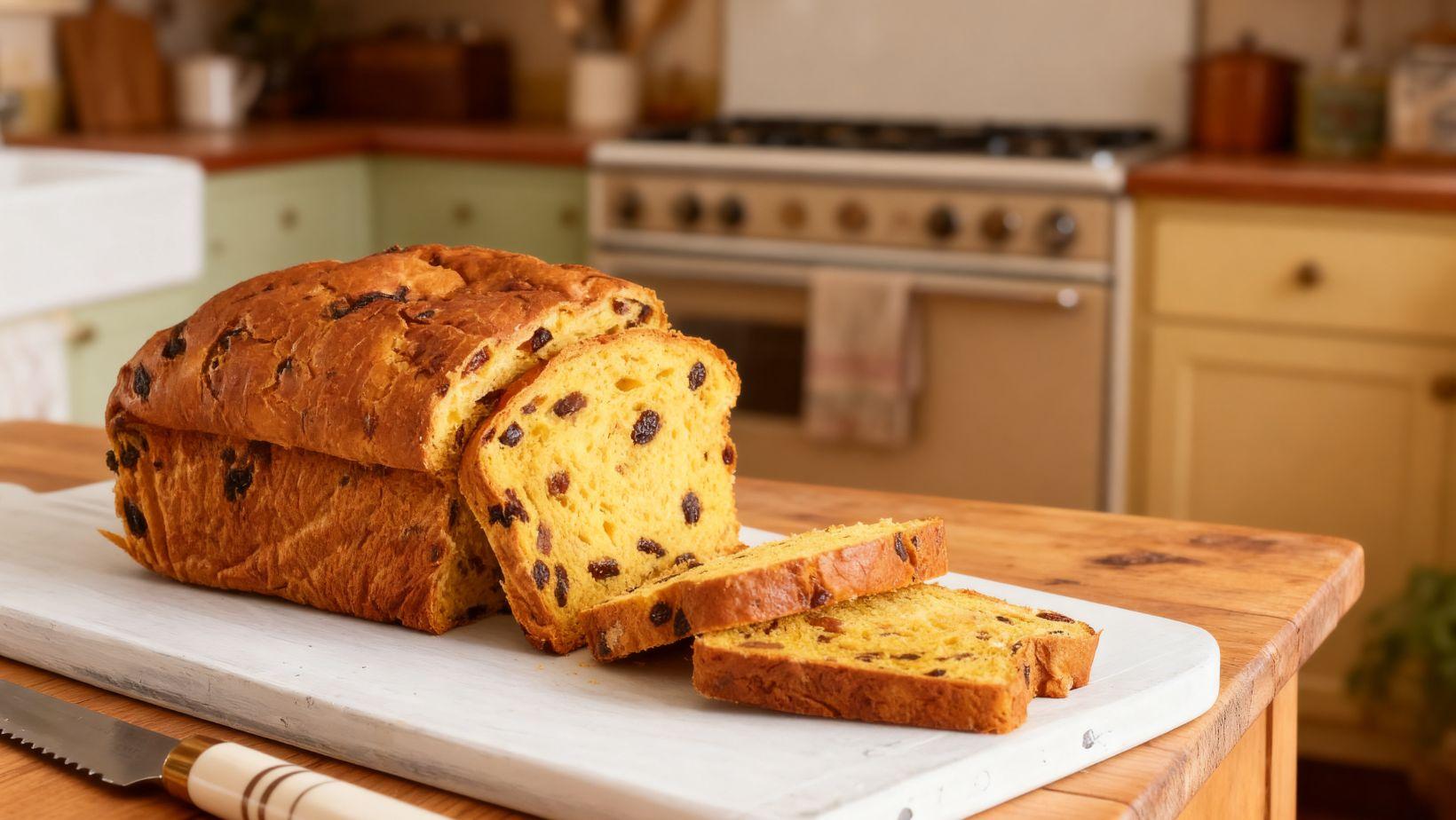
Cornish saffron cake is a rich, spiced fruit bread coloured and flavoured with saffron. The spice has a long association with Cornish baking, reflecting the region’s trading history and its taste for celebratory bakes. Tradition calls for it sliced and spread with butter.
It works beautifully today because it’s familiar enough for modern tastes yet distinctive enough to feel genuinely regional. The colour is striking, the aroma is warming, and it pairs well with tea, preserves or clotted cream. Gift potential is very high.
Clotted Cream: Luxurious and Only Slightly Ridiculous
Region: Devon and Cornwall. Weirdness rating: 1/5.
Clotted cream is made by gently heating full-fat cow’s milk and letting the cream rise to form a thick golden crust. It’s central to West Country dairy farming and the cream tea tradition. It also comes with a built-in argument: the long-running Devon versus Cornwall debate over whether jam or cream goes on the scone first.
Rich, recognisable and indulgent without being strange, clotted cream is one of the safest ways to bring South West heritage into a food gift. Gift potential is very high.
The Cornish Pasty: Practical Food That Became an Icon
Region: Cornwall. Weirdness rating: 1/5.
The Cornish pasty is a crimped pastry traditionally filled with meat, potato, swede and onion. It was designed as a portable, filling meal for Cornish mining communities, and that crimped edge is part of its folklore. Today it’s beloved far beyond Cornwall.
As a fresh food, it’s less obvious for shelf-stable hampers. Gift potential is medium. The story, though, can inspire savoury biscuits, chutneys and regional pantry items that travel far better than a pasty in the post.
Stargazy Pie: “Are Those Fish Looking at Me?”
Region: Cornwall, especially Mousehole. Weirdness rating: 5/5.
Here’s the showstopper. Stargazy pie is a fish pie traditionally made with pilchards or sardines, with the fish heads poking up through the pastry to gaze skyward. According to Wikipedia and Atlas Obscura, the dish originates from the village of Mousehole and honours Tom Bawcock, a 16th-century fisherman who, as folklore tells it, braved dangerous storms to land a huge catch and save the village from starvation. It’s traditionally eaten at midwinter on Tom Bawcock’s Eve.
The pie has everything: folklore, drama and fish heads staring into the middle distance. It is unforgettable, which is more than can be said for most beige buffet food.
As an actual gift, its potential is low, unless the recipient is unusually committed to marine theatre. As a storytelling reference, it’s pure gold. To capture the spirit without the staring fish, lean on Cornish seafood pâté, smoked fish, sea salt crackers, coastal chutneys or a local ale, perhaps with a recipe card explaining the legend.
Hog’s Pudding: The Sausage With a Softer Side
Region: Devon and Cornwall. Weirdness rating: 3/5.
Hog’s pudding is a traditional sausage from Devon and Cornwall. According to Wikipedia, it’s much spicier than white pudding, seasoned with black pepper, cumin, basil and garlic, and made with pork, fat and either oatmeal or pearl barley. It’s a regular feature of the cooked breakfast.
It’s far more approachable than the name suggests, and a tidy example of nose-to-tail food heritage. Gift potential is medium. Not ideal for a standard hamper without chilled delivery, but the heritage supports farmhouse-themed savoury gifts.
Squab Pie: The Name Is Stranger Than the Dish
Region: Devon and Cornwall. Weirdness rating: 4/5.
Despite a name that suggests pigeon, traditional Devonshire squab pie typically contains lamb or mutton layered with apple, onion and dried fruit such as prunes or currants, finished with spice under a pastry crust. It’s a survivor from an era when British cooking mixed meat and fruit far more freely.
The confusing name and the sweet-savoury combination feel old-fashioned to modern diners, which gives it real curiosity value. Gift potential is low to medium. The flavour idea, though, translates neatly into apple chutney, spiced preserves, farmhouse cheese and cider pairings.
Bath Buns: Sweet, Sticky and Safely Civilised
Region: Bath, Somerset. Weirdness rating: 1/5.
The Bath bun is a rich, sweet bun often topped with crushed sugar and studded with dried fruit. Linked to the spa city of Bath and its Georgian tea-time culture, it’s a more genteel offering than the region’s hardier rural fare.
Sweet, recognisable and carrying a clear sense of place, Bath buns or Bath-inspired treats sit comfortably in a premium gift without requiring an explanatory apology. Gift potential is high.
Lardy Cake: A Cardiologist’s Villain Origin Story
Region: Wiltshire and the wider West Country. Weirdness rating: 3/5.
Lardy cake is a rich, spiced bread made with rendered lard, flour, sugar, dried fruit and spices. According to Wikipedia, Wiltshire, Dorset and Gloucestershire each claim to be its original home. It was built for energy, indulgence and practicality in an age when animal fats were a baking staple.
The name may alarm modern eaters, but the taste is far more appealing than the branding. Gift potential is medium. It’s giftable for adventurous food lovers, though “traditional spiced fruit bake” is doing a lot of public relations work on its behalf.
Cider: The West Country’s Most Giftable Drink
Region: Somerset, Devon, Dorset, Gloucestershire and Cornwall. Weirdness rating: 2/5.
Cider is fermented apple drink, spanning everything from refined bottled varieties to rough farmhouse scrumpy. It’s deeply tied to the region’s orchards and rural life, and it works across both rustic and premium settings.
Familiar yet regionally distinctive, cider gives a hamper strong local identity and pairs brilliantly with cheese, charcuterie, chutneys and savoury biscuits. Gift potential is high where alcohol is appropriate.
Cheddar and West Country Cheese: Heritage Without the Weirdness
Region: Somerset and the wider South West. Weirdness rating: 1/5.
Cheddar is globally famous but rooted in Somerset, and the South West has one of Britain’s strongest traditions of farmhouse and artisan cheese-making. Cheese links naturally with chutneys, biscuits, cider and preserves.
Universally understood, endlessly versatile and regional without being risky, cheese is one of the easiest ways to celebrate South West food heritage in a polished way. Gift potential is very high.
Which South West Foods Make the Best Gifts?
Here’s the full ranking, sorted from safest bet to boldest conversation piece.
|
Heritage Food |
Weirdness |
Gift Potential |
Why It Works |
|
Clotted cream |
1/5 |
Very high |
Luxurious, regional, familiar |
|
Saffron cake |
1/5 |
Very high |
Distinctive but accessible |
|
Cheddar / West Country cheese |
1/5 |
Very high |
Premium, versatile, recognisable |
|
Bath buns |
1/5 |
High |
Elegant tea-time heritage |
|
Cider |
2/5 |
High |
Strong regional character |
|
Lardy cake |
3/5 |
Medium |
Delicious, but name needs context |
|
Hog’s pudding |
3/5 |
Medium |
Rustic and regional |
|
Squab pie |
4/5 |
Low/medium |
Better as a story than a gift |
|
Stargazy pie |
5/5 |
Low |
Iconic but visually challenging |
How to Celebrate Food Heritage Without Frightening the Recipient
A good gift doesn’t need the weirdest historic recipe to honour regional food culture. It can capture heritage through regional ingredients, traditional pairings, artisan production, local flavour stories and generous presentation. Familiar foods with a strong sense of place will always win.
Safer heritage-inspired choices include West Country cheddar, savoury biscuits, chutneys and relishes, clotted cream fudge, saffron cake, shortbread, preserves, cider or sparkling apple juice, tea, honey and artisan crackers.
For anyone who wants to celebrate British food heritage without serving guests a fish pie that looks back at them, curated luxury food hampers by Regency Hampers, Dukes Hill or similar established suppliers offer a more polished route. They can bring together regional cheeses, preserves, biscuits, sweets and drinks in a way that feels generous, traditional and easy to enjoy.
South West Food Heritage Is Best When It Has a Story
South West England has one of the UK’s richest regional food cultures. Some of it is elegant and effortlessly giftable. Some of it is strange, historic and best enjoyed as a tale told over dinner. The most memorable modern food gifts borrow from this heritage without tipping into novelty.
The region proves that tradition need not be bland. It can be sweet, salty, rustic, refined and occasionally shaped like a pie full of staring fish. The trick is knowing which parts belong in a gift hamper and which belong in a very lively conversation.
Frequently Asked Questions
What is the weirdest traditional food in South West England?
Stargazy pie is the strongest contender. It’s a Cornish fish pie, traditionally from Mousehole, with whole fish heads poking through the pastry crust. It’s eaten at midwinter to honour the legendary fisherman Tom Bawcock.
What food is Cornwall most famous for?
Cornwall is best known for the Cornish pasty, a crimped pastry filled with meat, potato, swede and onion, originally made as a portable meal for miners. Cornish saffron cake and clotted cream are also strongly associated with the region.
What is hog’s pudding made of?
Hog’s pudding is a sausage from Devon and Cornwall made with pork, fat and either oatmeal or pearl barley. It’s seasoned generously, often with black pepper, cumin, basil and garlic, making it spicier than a typical white pudding.
Is squab pie actually made with pigeon?
Usually not. Despite the name, traditional Devon and Cornish squab pie is typically made with lamb or mutton, layered with apple, onion and dried fruit, then baked under a pastry crust.
Which South West heritage foods make the best gifts?
Clotted cream, Cornish saffron cake, West Country cheddar and Bath buns are the most giftable, thanks to their familiar appeal and strong regional identity. Cider is also an excellent choice where alcohol is appropriate.
