
Contacts email address creativegaming
CreativeGaming Supports Aspiring Game Creators By Providing Accessible Tools, Resources, And Community Features That Simplify Game Development.
Creativegaming contacts email
The Platform Encourages Collaboration Between Developers, Designers, And Players Through Shared Projects And Feedback Systems.
James gussie by creativegaming
CreativeGaming Focuses On Helping Individuals Turn Game Ideas Into Playable Experiences Through Structured Development Workflows.
Creativegaming.net
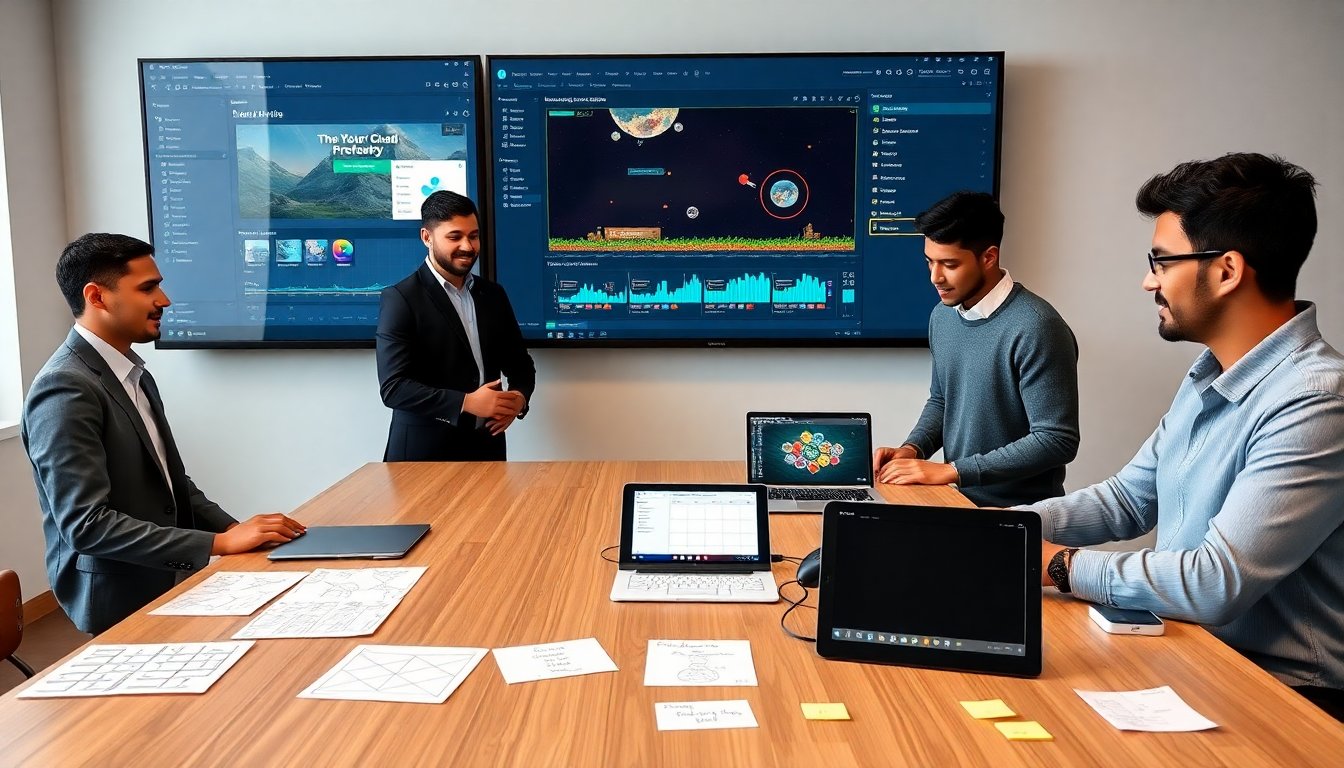
Creators Use CreativeGaming To Prototype Concepts, Test Mechanics, Gather Feedback, And Publish Interactive Projects Efficiently.
Www creativegaming.net
The Platform Appeals To Hobbyists, Students, Independent Developers, And Small Teams Looking To Build Games Without Large Budgets.
Www creativegaming .net
CreativeGaming Combines Learning Resources, Development Tools, And Community Support To Help New Creators Succeed.
What Creative Gaming Is And Why It Matters Today
CreativeGaming Refers To The Process Of Designing, Building, And Sharing Games Using Accessible Development Tools And Platforms.
It Enables Individuals And Small Teams To Create Interactive Experiences Without Requiring Extensive Technical Expertise.
Modern Development Tools Reduce Barriers By Offering Templates, Asset Libraries, And Visual Editing Systems.
Creators Can Rapidly Move From Concept To Playable Prototype While Gathering Valuable Feedback Throughout Development.
CreativeGaming Encourages Innovation By Giving More People Opportunities To Experiment With New Ideas And Gameplay Styles.
As Technology Becomes More Accessible, CreativeGaming Continues To Expand Opportunities For Learning, Creativity, And Collaboration.
How To Start Building Creative Games — A Practical Roadmap
Beginners Should Start By Defining A Clear Goal Such As Learning Game Mechanics, Storytelling, Or Creating A Small Demo.
Selecting One Development Tool Helps Maintain Focus And Reduces The Complexity Of Learning Multiple Systems At Once.
Simple Design Documents Can Outline Objectives, Controls, And Core Gameplay Features Before Development Begins.
Regular Development Sessions And Small Milestones Help Maintain Consistent Progress Toward Completion.
Sharing Early Versions With Others Provides Feedback That Can Improve Gameplay And User Experience.
Documenting Lessons Learned Throughout Development Creates A Strong Foundation For Future CreativeGaming Projects.
Best Tools, Platforms, And Resources For Beginners
Several Popular Platforms Support CreativeGaming Through User-Friendly Interfaces And Flexible Development Features.
Construct And GameMaker Offer Fast Development Workflows For Creating Two-Dimensional Games With Minimal Coding.
Unity And Unreal Engine Provide Advanced Features For Larger Projects While Supporting Extensive Learning Resources.
Godot Delivers An Open-Source Alternative Suitable For Both Small Experiments And Full Commercial Releases.
Asset Libraries And Marketplaces Help Creators Save Time By Providing Ready-Made Graphics, Audio, And Interface Elements.
Communities, Tutorials, Documentation, And Online Courses Accelerate Learning And Support Ongoing Skill Development.
Starter Project Ideas You Can Complete In A Weekend
Small Projects Help New Creators Learn Core Skills Without Becoming Overwhelmed By Complexity.
A Simple Maze Game Can Teach Movement Systems, Level Design, And Basic Collision Mechanics.
An Endless Runner Provides Practice With Timing, Difficulty Balancing, And Obstacle Placement.
Puzzle Games Help Developers Understand User Interface Design, State Management, And Feedback Systems.
Short Narrative Experiences Introduce Dialogue Systems, Scene Transitions, And Storytelling Techniques.
Weekend Projects Encourage Fast Learning Cycles And Build Confidence For More Ambitious CreativeGaming Projects In The Future.
