
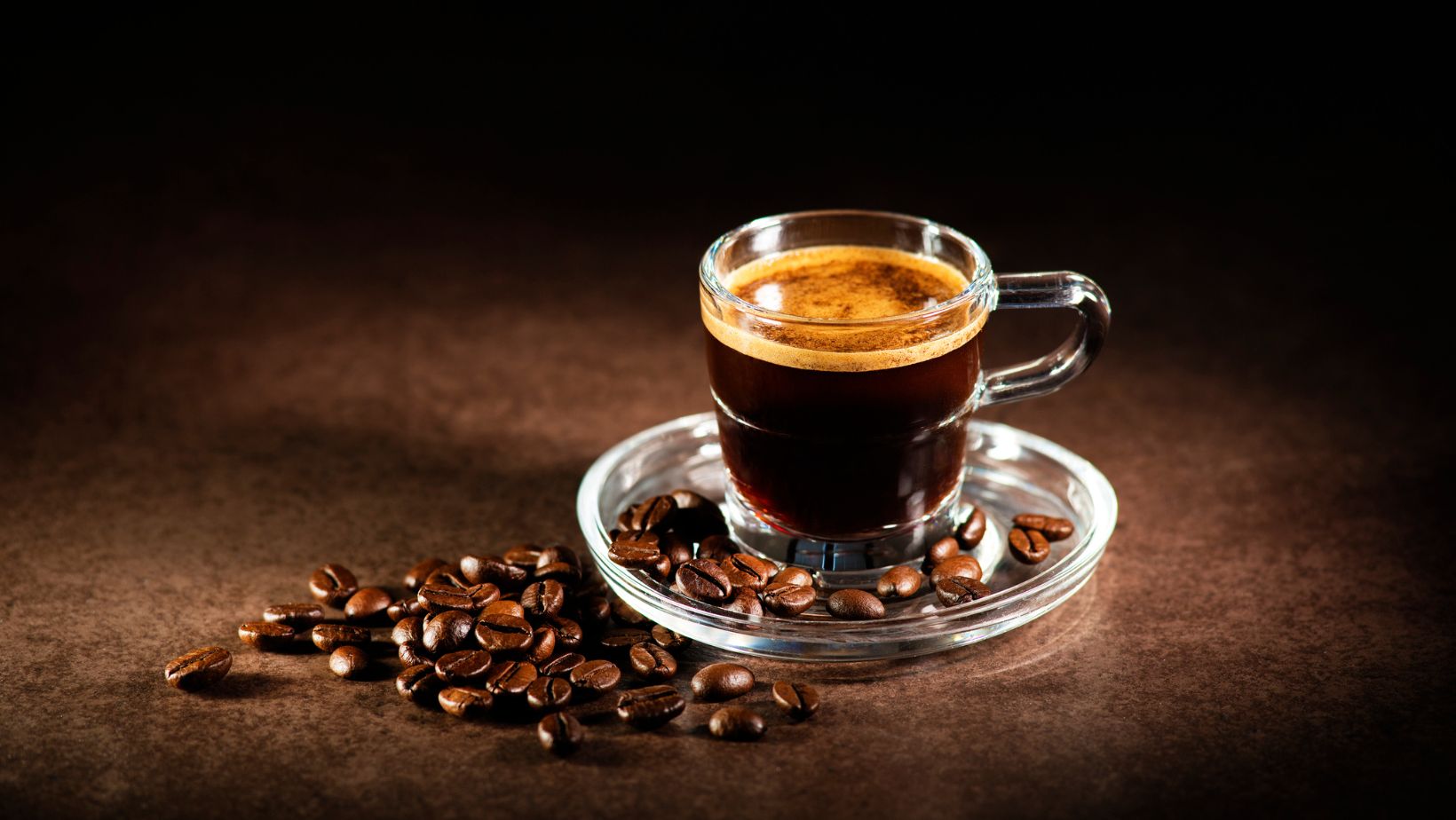
Many people believe espresso requires a special type of coffee. Others think any coffee will work the same if you grind it fine enough. Both ideas miss the full picture.
You can use any coffee for espresso. But whether it produces good results depends on how that coffee behaves under pressure. Espresso is demanding. Some coffees perform well. Others struggle.
This article explains what espresso is, why bean choice matters, and how to choose coffee that works for your machine and taste.
What Espresso Really Is (And Why Beans Matter)
Espresso is a brewing method, not a bean.
It uses hot water pushed through finely ground coffee at high pressure for a short time. Most extractions take under 30 seconds. Because the process is fast and intense, there is little room for error.
In slower methods, water has time to balance flavors. Espresso does not. The coffee must release sugars, acids, and oils quickly and evenly. That is why some coffees perform better than others when brewed as espresso.
Can Any Coffee Be Used for Espresso?
Yes, technically.
Any roasted coffee bean can be ground finely and placed in an espresso machine. The machine will still extract a shot. But the result may not match what most people expect from espresso.
In practice, some coffees extract unevenly. Others taste overly sharp or dull. Espresso is less forgiving than other brew methods. Small differences in the bean have a big impact on the cup.
This is where bean selection becomes important.
Why Some Coffee Performs Better in Espresso Machines
Not all coffee responds the same way to pressure brewing. Several factors influence performance.
Roast level affects how easily coffee dissolves. Lighter roasts are denser and resist quick extraction. Medium and medium-dark roasts dissolve more evenly in short brew times.
Freshness also matters. Coffee that is too old produces flat flavor and weak crema. Fresher beans release gases that support balanced extraction.
Flavor balance is another key factor. Espresso concentrates taste. Coffees with extreme acidity or sharp bitterness become overwhelming when brewed under pressure.
This is why blends roasted specifically for espresso, often sold as espresso coffee beans, are designed to extract evenly and produce a balanced shot without excessive adjustment.
What Goes Wrong When the Coffee Is Not Suited for Espresso
When coffee is poorly matched to espresso brewing, problems show up quickly.
A common issue is sourness. This happens when acids extract before sugars, leaving the shot sharp and thin.
Bitterness can also occur. Some coffees release bitter compounds too quickly, overpowering the cup.
Weak body is another sign. Certain coffees lack the oils and solubles needed for a rich mouthfeel.
Crema may be thin or absent as well. This usually points to poor freshness or incompatible roast characteristics.
These outcomes do not mean the coffee is bad. They mean it is not ideal for espresso.
Coffee Types That Work Best for Espresso
Some coffees are simply easier to work with.
Medium to medium-dark roasts offer the best balance for most machines. They extract reliably and produce sweetness without harshness.
Espresso blends are popular because they are built for consistency. Different beans are combined to balance flavor, body, and aroma.
Most espresso uses Arabica beans for smoothness. Some blends include a small amount of Robusta for added body and crema, especially in traditional styles.
These options reduce the need for constant adjustment.
Using Pre-Ground Coffee for Espresso
Pre-ground coffee can be used, but it comes with limits.
Espresso requires a very specific grind size. Pre-ground coffee is made for general use and may not match your machine’s needs.
If the grind is too coarse, water flows too fast. The espresso tastes sour and weak. If it is too fine, water struggles to pass through, causing bitterness.
Pre-ground coffee also loses freshness quickly. For best results, whole beans ground just before brewing are preferred.
Choosing Beans Based on How You Drink Espresso
How you drink espresso should guide your choice.
If you drink straight espresso, balanced flavors matter most. Medium roasts with natural sweetness work well.
If you drink milk-based drinks, slightly darker roasts hold up better against milk. They maintain flavor without tasting thin.
Machine type also plays a role. Entry-level machines benefit from forgiving roasts. More advanced setups allow greater flexibility.
Common Espresso Myths
Espresso beans are a different type of coffee.
They are not. They are simply roasted and blended for espresso brewing.
Espresso always has more caffeine.
A single espresso shot usually contains less caffeine than a full cup of drip coffee.
Dark roast is required for espresso.
Many modern espresso roasts are medium, not dark.
Final Answer: Should You Use Any Coffee for Espresso?
Yes, you can use any coffee for espresso.
But not every coffee will deliver good flavor, body, or consistency under pressure. Coffees designed for espresso make the process easier and more reliable, especially for home brewing.
Once you understand your machine and taste preferences, experimenting becomes more rewarding. Until then, choosing the right coffee removes many common frustrations.
FAQs About Espresso Coffee
Can light roast coffee be used for espresso at home?
Yes, but it requires precise control. Many home machines struggle to extract light roasts evenly.
Why does my espresso taste sour even with good beans?
Sourness usually comes from under-extraction. Grind size, dose, or water temperature may need adjustment.
Do milk drinks need different espresso beans?
Milk pairs best with coffees that have lower acidity and more body, often medium-dark roasts.
How fresh should coffee be for espresso?
Ideally within two to four weeks of the roast date for best flavor and crema.
