
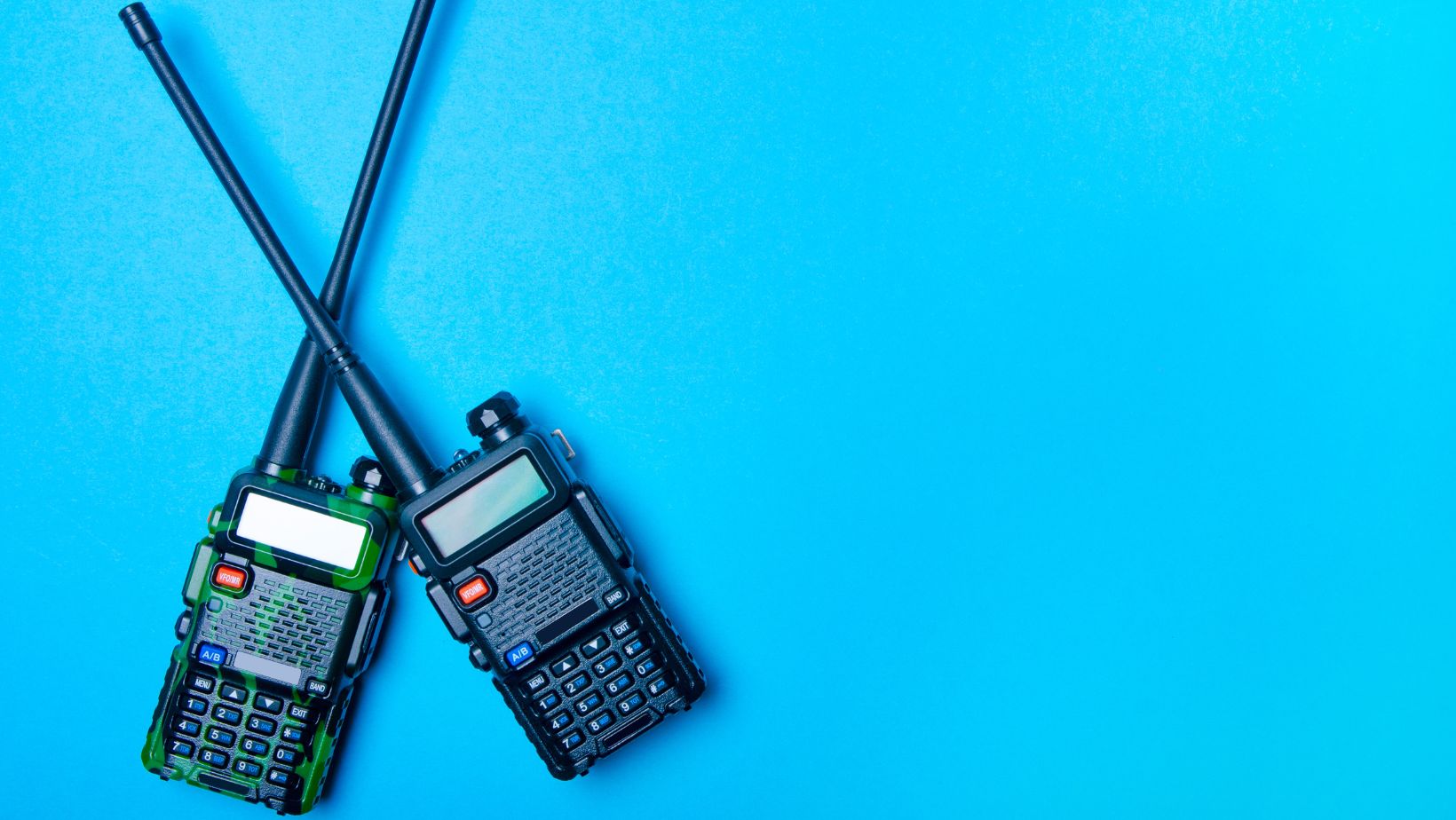
Here’s how it usually goes:
Someone hops online, types “cheap two-way radio,” picks the one with the lowest price and highest number of stars… and hits “buy now.”
Two weeks later?
Batteries die in under an hour, static drowns every message, and half the radios are already lost to the back of someone’s junk drawer.
We get it. You want solid gear without breaking the budget. But not all “affordable” options are created equal. And when communication matters—on job sites, during events, or across departments—buying the wrong radios can cost more than just a few bucks.
So, before you invest in a set of two-way radios, here’s what you really need to know to get value without regret.
1. Start With the Use Case. Not the Price Tag.
What are you actually using the radios for?
- Coordinating a construction crew?
- Managing security at a multi-acre venue?
- Keeping your warehouse team synced during shift changes?
- Communicating between delivery drivers and dispatch?
Not all radios are built for the same purpose. The guy working backstage at a school play doesn’t need the same hardware as the crew boss on a wind farm.
Figure out your environment (indoor/outdoor), range needs, and how many users before you start scrolling prices. Otherwise, you’re just guessing.
2. Don’t Obsess Over “Maximum Range” Claims
Here’s the dirty little secret: when a two-way radio says it has a “35-mile range,” it’s talking about ideal conditions. As in, two people standing on mountaintops with zero obstructions between them.
In real-world scenarios?
- Dense buildings?
- Forests?
- Interference from other devices?
Your actual range could shrink significantly.
If you’re operating in complex terrain or over long distances, look for models that offer nationwide push-to-talk (PTT) or use network-assisted communication. That gives you far more reliable range than old-school line-of-sight radios—without needing a cell tower handshake.
3. Battery Life Is More Important Than You Think
Sure, most radios work great—for about 90 minutes. Then someone’s frantically swapping batteries mid-shift while your operation slows to a crawl.
Here’s what to look for:
- 12+ hours of battery life (especially for outdoor or long-shift use)
- Replaceable lithium-ion batteries (not AA or AAA unless you’re desperate)
- A charging dock or USB option for overnight power-ups
If the battery can’t last your workday, it doesn’t matter how cheap the radio was.
4. Prioritize Audio Quality Over Fancy Extras
Cool features are great. But if you can’t hear someone clearly over machinery, crowd noise, or wind? You may as well be using tin cans and string.
A good two-way radio should offer:
- Loud, clear speakers
- Noise-canceling mic options
- Minimal delay between pressing and transmitting
- Group calling or priority override (depending on your needs)
Skip the overcomplicated touchscreen models unless you’re managing mission control. For most businesses, clarity and speed beat bells and whistles.
5. Think Rugged, Not Fragile
If your radios are going to live in tool belts, glove boxes, backpacks, or security vests, they need to survive a few hits. Or drops. Or rain.
Look for models that are:
- Shock-resistant
- Water-resistant (IP54 or higher)
- Dust-sealed
Even budget-friendly two-way radios can come with military-grade durability. And trust us—replacing broken radios gets expensive fast.
6. Go Simple on the UI (Your Team Will Thank You)
Here’s a mistake too many managers make: buying radios that require a 45-minute training session and a laminated cheat sheet.
Instead, go for:
- One-button push-to-talk
- Clearly labeled channel controls
- Easy volume adjustment
- Pre-programmed channel groups if you need to segment teams
The faster someone can pick it up and use it, the more value you get out of it—especially if you’re rotating staff or dealing with seasonal workers.
7. Future-Proof When You Can
Don’t buy the bare minimum if you think your team will grow or your operations will expand.
A few things to consider:
- Does it support additional handsets?
- Can it integrate with dispatch software or GPS tracking?
- Is it compatible with accessories like earpieces or speaker mics?
Planning ahead now avoids full replacements later.
Final Thought: Cheap Isn’t Smart. Smart Is Smart.
There’s a big difference between buying cheap gear and buying smart gear.
A good two-way radio doesn’t have to be expensive—but it does need to do the job well, reliably, and safely.
Take time to assess your needs, match them to the right features, and invest in something your team won’t curse three hours into their shift.
Because clear communication shouldn’t cost a fortune—and it definitely shouldn’t fail when you need it most.
