
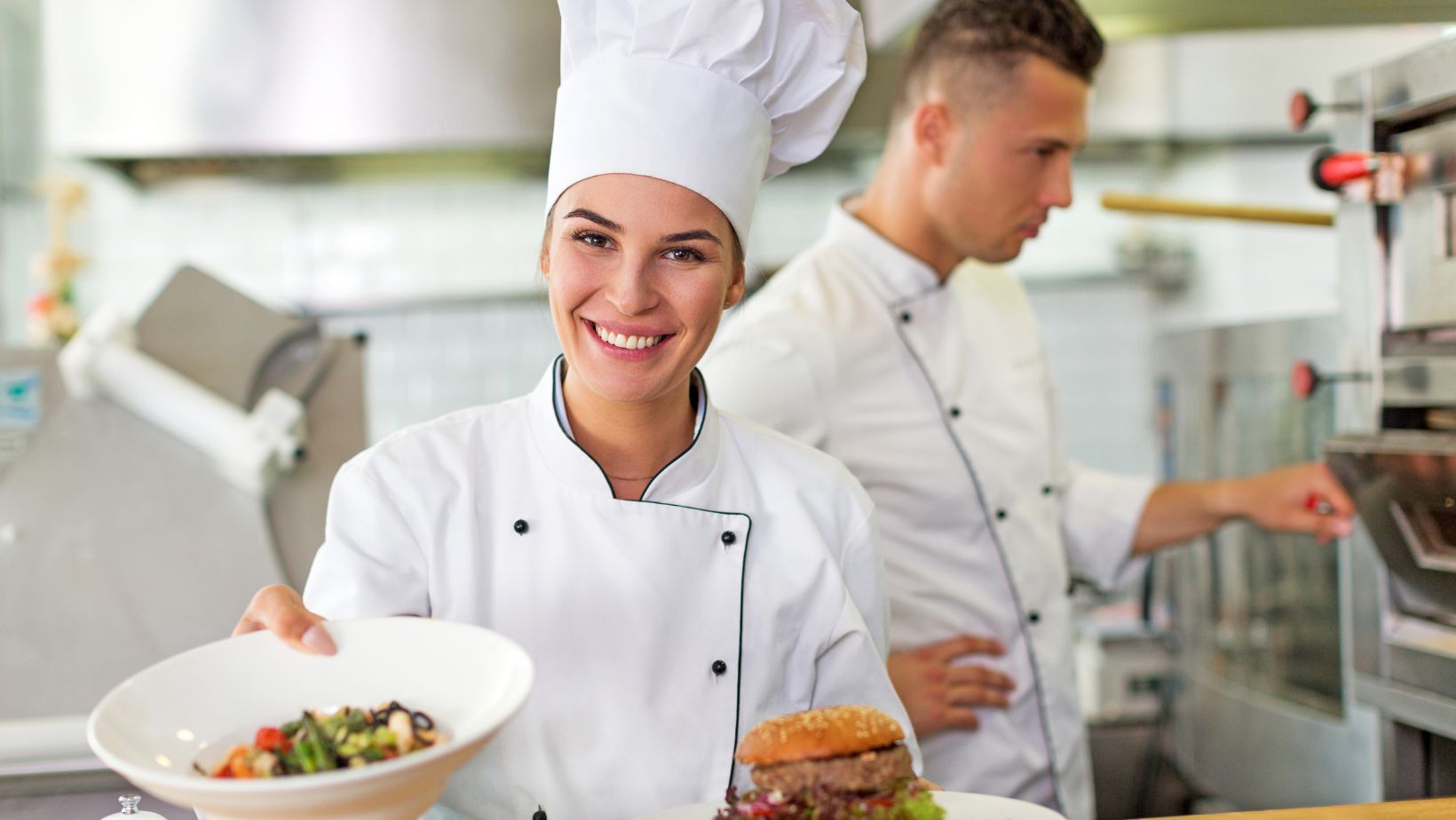
Not a long ago,cooking at home meant little more than stovetops and the skillets. These days, the people expect meals to come out right every time, fast, almost like dishes served downtown. What sets apart most household spots from busy eateries? It’s the way experts pick gear – not on impulse, but with purpose. When regular folks start seeing why certain items make sense behind the scenes, their own setups begin working better, without extra effort. A quiet shift happens, one choice at a time.
A chef’s space grows smart when thought comes first. Not one tool lands there by accident. Each fits like a key, turning steps into rhythm, cutting chaos between sink and stove. Movement saves time, yet flavor stays sharp. Home kitchens shine too, once habits shift toward purpose. Clutter fades where intent takes root. A tight room breathes easier with choices that serve.
Why Restaurants Are So Strategic About Equipment Choices
A single wrong pick in kitchen gear might drag out orders, hike up power bills, or fail too often. How meals taste, how fast they arrive, even whether guests return – each ties back to what’s plugged into the walls. When machines stand up to rush hours, owners keep more of each dollar earned. Tough tools, tested under fire, along with reliable Fire Watch Services, shape the backbone of steady operations.
Frequent use shapes what gear ends up in restaurants. Some items like ovens or fridges run most of the day, every day. That reality pushes buyers toward durability instead of low price tags. People cooking at home might do well to follow – opting for less stuff, yet stronger stuff, that simply works right over time.
Planning the Kitchen Before Buying Anything
Start by sketching your kitchen flow before buying a single tool. Picture how food travels – first stored, then prepped, next cooked, plated, finally served. Chefs know every step should follow naturally from the last. A smart setup cuts wasted motion. Efficiency grows when each station links smoothly to the next. Think movement first, gear second.
Imagine standing barefoot on the floor, recipe in hand. Moving between spots matters just as much here. Picture where you grab the knife most often. The distance from faucet to burner shapes every meal. Reach for a bowl – it should feel natural, not stretched. Flow hides in small steps, like walking to dump scraps. Think of turning with hot pans; space changes everything. Watch how arms swing when mixing ingredients. What if your pans lived right where you grab them every day? Busy kitchens figure this out fast. Home chefs might want to try that too.
Choosing Equipment That Matches Real Cooking Needs
Imagine walking into a diner where every tool has a job. These places do not follow what is popular right now. Instead, they pick machines that fit exactly what they cook and how much they serve. Take bakeries – they need strong mixers and reliable ovens above all else. But if the kitchen grills most items, then powerful stoves and top-tier airflow systems come first. Nothing sits around without reason; each item earns its spot.
Folks cooking at home tend to grab tools they hardly ever touch. Restaurant Equipment and Supplies pros choose differently, guided by real kitchen habits. When meals start from nothing most days, solid gear like a sharp knife, sturdy chopping surface, and reliable pots usually beats cluttering space with one-job devices.
Learning from Industry Resources and Suppliers
When picking gear for professional kitchens, people turn to known sources in the field. CKitchen stands out because it gives clear advice, full product details, and links to heavy-duty tools. With these supports, owners can look at different models, see how they work in real conditions, then pick what lines up best with how their kitchen runs.
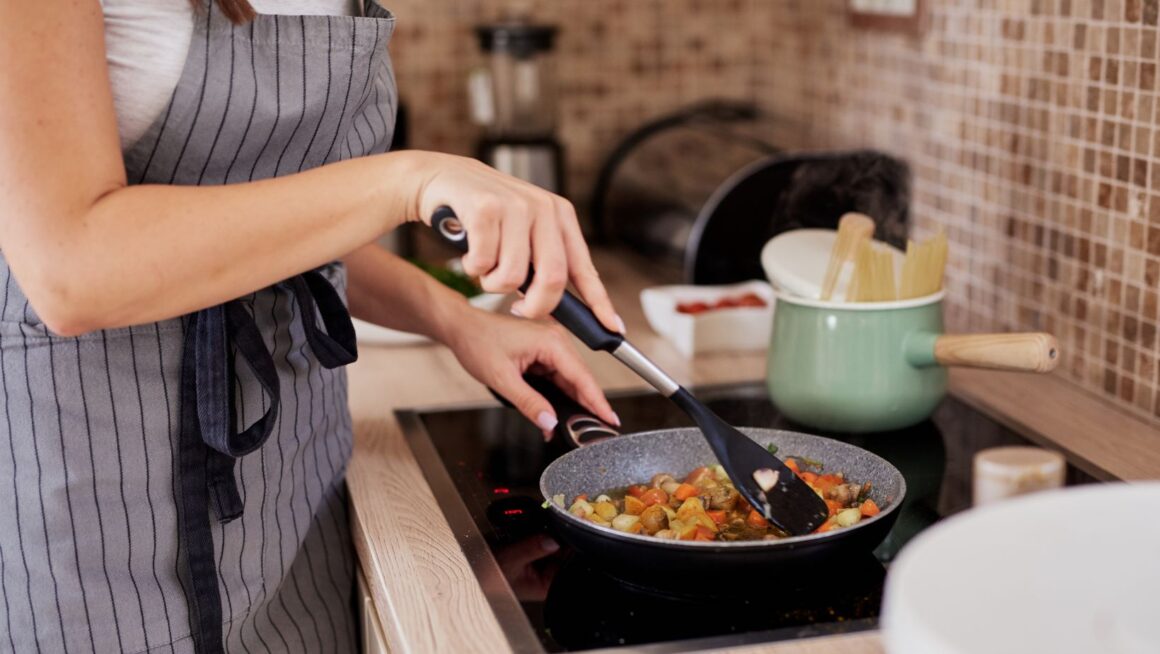
Curious minds at home might find value in digging into professional training tools. Though those heavy-duty kitchen machines aren’t ending up in your cabinets, knowing what chefs look for could shape better buys. Materials matter – so do energy needs and how things are put together.
The Efficiency and Time Management in the Kitchen
What keeps a kitchen running smooth? Time matters more than almost anything else there. To save minutes, tools are picked that cut down cook times, get things ready faster, one after another without hiccups when orders pile up. That sharp focus on moving quickly – this is what gives pro setups an edge over home ones, even if the dishes aren’t fancy.
Starting with the right gear makes home cooking less messy. A powerful blender here, an oven that works fast there – these choices matter. Standard Restaurant Supply style storage ideas help keep things tidy without extra effort. When setup follows function, chopping and cleaning take fewer steps. Meals come together quicker. That leaves space for sitting down, eating slow.
Standardization and Consistency in Cooking Results
What keeps diners coming back? It is not luck. Each bite should match the last, visit after visit. This happens because kitchen gear works the same way each time it is used. Precision matters – ovens hold steady temps, burners spread heat evenly. Tools made for high demand make repeatable outcomes possible.
Home cooking wins when it stays steady. Equipment built like restaurant gear keeps heat even, temps true, one job following another without surprise. Baking leans on this most – roasting too – where small gaps cause big shifts. Precision sticks close, not left behind.
Understanding Space and Storage Like a Professional
Every bit of space matters in busy kitchens. Tools sit close by but never in the way, thanks to smart setup. Racks climb walls, shelves line corners, gear fits tight spots – this is how setups stay clean yet ready. Restaurant tools and storage follow this rule without exception.
Pull inspiration from pro kitchens by arranging your own space with purpose. Stackable pots plus pans save room when stored neatly. Wall hooks or mounted racks open up counter areas. Compact gadgets fit tight spots without cluttering surfaces. A spot for each item means fewer frantic searches mid-recipe. Efficiency sneaks in when layout makes sense.
How Home Kitchens Can Adopt a Professional Mindset
What kitchens teach best isn’t gadgets – it’s thinking ahead. Noticing what works comes before buying anything, for most chefs. Space gets mapped out with purpose, not guesswork. Spending more makes sense when it saves time later. When home cooks start organizing like that, meals feel smoother somehow.
What if your kitchen worked more like a diner’s back room? Home chefs might find sharper results just by borrowing how eateries pick their tools and stock. A tweak here or there – based on real kitchen logic – often shifts the whole rhythm. Little moves, smart picks, suddenly things flow better without extra effort.
Conclusion
Most restaurants win when gear gets top priority, not tossed aside like clutter. Picking tough, smart machines matters just as much as mapping out where things go. A cook at home might borrow that mindset – value what lasts, skip shortcuts. Pros pick tools based on real needs, not trends or price tags alone. Watch how kitchens run smoothly; it is never luck. Thoughtful setup changes everything, even off the clock. Results shift from hit-or-miss to steady and sharp. Clutter fades when choices follow purpose. Efficiency grows without chasing gadgets. Cooking has less noise, more rhythm.
