
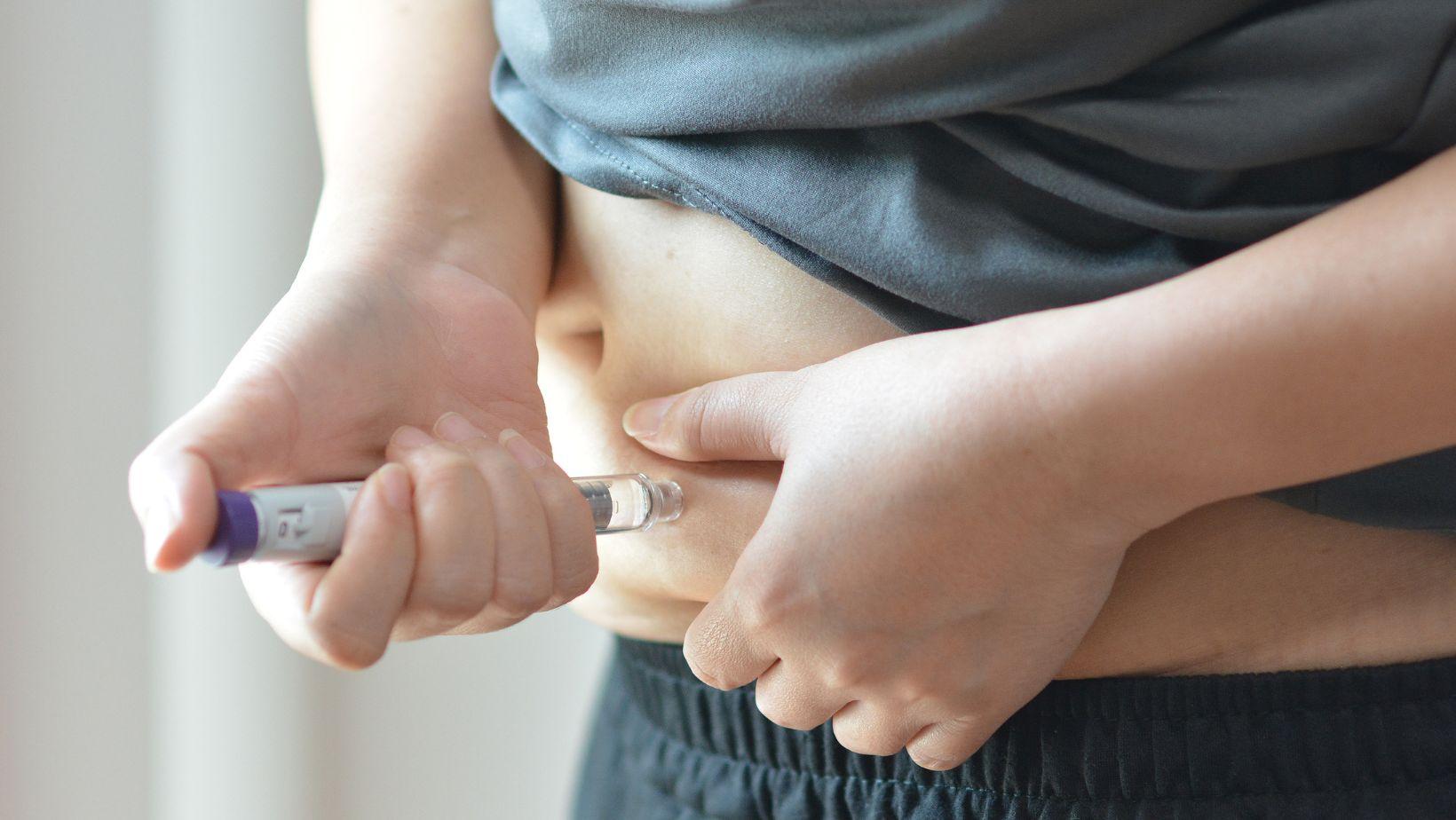
Starting a GLP-1 medication like semaglutide or tirzepatide tends to change your relationship with food faster than almost anything else you have tried. One week you are thinking about your next meal constantly, and the next, food barely crosses your mind.
Old habits that used to work, like grabbing something quick between meetings or finishing what is on your plate out of habit, suddenly do not apply anymore. Appetite drops fast, and it is surprisingly easy to under-eat without even realizing it is happening.
This is not a failure of willpower or a sign you are doing something wrong. It is simply how these medications work, and it means your approach to food needs to shift too.
This is a practical, judgment-free guide to what to eat on GLP-1 medications, covering how to meet your protein needs even when your appetite has shrunk, how to stay properly hydrated, and which foods tend to make side effects worse so you can plan around them instead of being caught off guard.
Hitting Protein Needs Despite a Smaller Appetite
One of the biggest challenges people run into on a semaglutide diet or tirzepatide nutrition plan is simply not being hungry enough to eat the way they used to. When your appetite drops significantly, it becomes very easy to accidentally skip meals, eat small amounts of whatever is convenient, and end up under-fueled without meaning to.
The problem is that when you lose weight quickly, some of that loss comes from muscle, not just fat. Research presented at the Endocrine Society’s ENDO 2025 conference found that around 40 percent of the weight lost while taking semaglutide can come from lean mass, which includes muscle, and that this risk appears to be higher in women and older adults. The encouraging part of that same research was that eating more protein appeared to help protect against this muscle loss.
A joint advisory from several major nutrition and obesity organizations, published in the American Journal of Clinical Nutrition, echoed this same point, emphasizing that preserving muscle and bone mass through adequate protein intake and resistance training should be treated as a core part of care while on GLP-1 medications, not an afterthought.
So what does this look like in practice when your appetite is small and your stomach fills up fast? The goal is to prioritize protein first, especially early in a meal, before you fill up on lower-protein foods. Some go-to options that tend to be easier to tolerate include eggs, Greek yogurt, cottage cheese, tender cuts of chicken or fish, tofu, and protein shakes or smoothies when solid food feels like too much. Soft, easy-to-digest proteins are often more appealing than heavier options like a big steak, especially in the early weeks of a new dose.
It also helps to think in terms of small, protein-forward meals and snacks spread throughout the day rather than trying to eat three large meals like you used to. If your appetite only allows for a few bites at a time, making sure those bites count toward protein first, and filling in the rest of your plate around that, tends to work better than trying to force down a full traditional meal. This is not about hitting a strict number. It is about building a habit of leading with protein so your body has what it needs to hold onto muscle while the fat loss does its work.
Staying Hydrated
Hydration is one of those things that is easy to overlook on GLP-1 medications, mostly because the usual cues your body sends you, like feeling thirsty or noticing you have not had water in a while, can get quieter along with your appetite. When your hunger and thirst signals are both dulled, it is very possible to go through a day without drinking enough and not even notice until you start feeling foggy, tired, or a little off.
There is also a practical reason hydration matters more on these medications specifically. Because GLP-1s slow down digestion and can contribute to nausea, vomiting, diarrhea, or constipation in some people, fluid losses can add up in ways that are easy to miss.
Guidance published in Mayo Clinic Proceedings specifically recommends adequate hydration as a first-line strategy for managing GI symptoms related to GLP-1 medications, alongside smaller meals and avoiding high-fat foods, and points out that many people benefit from consciously building fluid intake into their day rather than waiting to feel thirsty.
A few simple habits can help here. Keeping a water bottle within arm’s reach throughout the day, sipping small amounts consistently rather than trying to chug a large glass at once, and pairing water intake with something you already do regularly, like drinking a glass before each meal or after brushing your teeth, can all help hydration become more automatic.
If plain water feels unappealing or your stomach is sensitive, herbal tea, water with a splash of fruit, or electrolyte drinks in moderation can be good alternatives. The main idea is to stay a little ahead of your thirst rather than reacting to it once it shows up, since by the time you feel thirsty, you may already be a bit behind.
Foods That Tend to Worsen Side Effects
This is often where people run into the most frustration, because a food that felt totally fine before starting a GLP-1 can suddenly cause real discomfort. This is extremely common and not something to feel bad about. It is simply a matter of learning which foods to avoid on Ozempic, Wegovy, Mounjaro, or Zepbound while your digestive system adjusts to how these medications work.
GLP-1 medications slow down how quickly food moves through your stomach, which is part of why they help you feel full longer. The downside is that heavier, greasy, or very rich foods sit in the stomach even longer than usual, which can intensify nausea, bloating, and general GI discomfort.
A review published in Frontiers in Endocrinology specifically notes that eating slowly, avoiding high-fat or large-volume meals, and stopping at the first sign of fullness can meaningfully reduce nausea in people using GLP-1-based therapies. Instead of thinking about this in terms of foods that are good or bad, it helps to think about which textures and preparations tend to sit easier on a slower moving stomach.
Fried Foods
Fried foods tend to be one of the first things people notice trouble with after starting a GLP-1 medication. The combination of heavy oil and a crispy, dense texture makes fried food genuinely harder for your stomach to break down, and because GLP-1s already slow that process significantly, fried foods can sit there far longer than they used to. This is often what causes that heavy, overly full feeling that tips into nausea.
Fatty Cuts of Meat
Well-marbled steaks, sausage, bacon, and other high-fat cuts of meat can be tough to tolerate because they take a long time to digest and ask a lot of a stomach that is already emptying slowly. Some people find that a meal built around a fatty cut of meat leaves them feeling uncomfortably full for hours, well past the point that a leaner protein would.
Heavy Cream Sauces
Rich, cream-based sauces, the kind you might find on a plate of alfredo pasta or a creamy casserole, are another common trigger. These sauces are dense in fat and often eaten in larger volumes without realizing it, since sauce tends to coat everything on the plate. That combination of fat and volume is a lot for a slower digestive system to handle at once. A lighter tomato-based or broth-based sauce, or simply using less sauce overall, can let you still enjoy a familiar dish without the same heavy aftermath.
Rich Desserts
Very rich desserts, think dense cheesecake, thick frosted cake, or anything loaded with butter and cream, can be surprisingly hard to tolerate even in small amounts. It’s not that dessert is off the table. It’s that the concentrated fat and sugar in these particular treats ask a lot of your stomach all at once. Lighter options like a small serving of fruit, a bit of dark chocolate, or a lighter baked good tend to be much easier to enjoy without triggering discomfort afterward.
Very Spicy Foods
Spicy meals can be harder to tolerate for some people on GLP-1 medications, particularly because they can aggravate a stomach that is already more sensitive than usual and contribute to reflux or heartburn. This does not affect everyone the same way, and plenty of people on these medications have no trouble with spice at all.
None of this means these foods are off limits forever. Many people find that as their body adjusts to the medication, or as their dose stabilizes, their tolerance improves. The goal in the meantime is simply to notice what tends to cause trouble for you personally and work around it, rather than pushing through discomfort unnecessarily.
Conclusion
If there is one thing worth remembering from all of this, it is that nutrition needs on GLP-1 medications are genuinely individual. What works well for one person in month one might not be exactly what works for someone else, or even for you a few months later as your appetite and tolerance shift. The Academy of Nutrition and Dietetics is a helpful general resource for foundational nutrition guidance as you navigate these changes.
Because so much of this comes down to your specific appetite, side effect pattern, and lifestyle, working with a weight loss dietitian can make a real difference. A dietitian who understands GLP-1 medications can help you build a realistic, personalized plan for hitting your protein needs, staying hydrated, and navigating foods that trigger side effects, and can adjust that plan with you over time as your body responds to treatment.
You do not have to figure all of this out alone through trial and error. Support is available, and using it is a smart, proactive step rather than something to feel like you should be able to handle entirely on your own.
